
 English
 中文简体
中文简体 Author: Admin Date: 2026-04-17
Can Small Machines Deliver Big Results? Rethinking Efficiency with Smart Compact Equipment
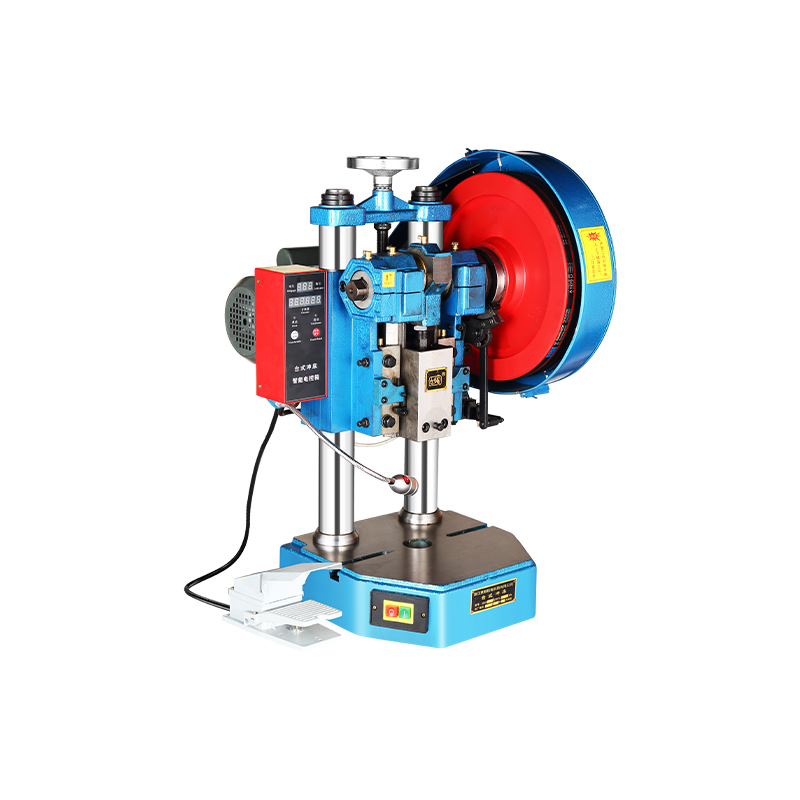
As global manufacturing shifts toward flexibility and cost control, compact machinery is gaining renewed attention among engineers and procurement teams. The Counting Punch Press has emerged as a practical solution for manufacturers looking to balance precision, efficiency, and scalability—especially in small to medium production environments where adaptability is critical.
A Closer Look at Intelligent Punching Technology
Modern counting punch presses are designed to go beyond simple punching tasks. Equipped with digital counting systems, these machines allow operators to track output accurately, reduce human error, and maintain consistency across batches.
This is particularly valuable for production lines that require repeatable operations, such as sheet metal processing, electronic component fabrication, and hardware manufacturing. The integration of counting functions also helps streamline inventory tracking and production planning.
Where Compact Machines Fit in Today’s Production Lines
Instead of relying solely on large-scale equipment, many manufacturers are now integrating compact machines into decentralized workflows. Common use cases include:
- Small-batch production and rapid prototyping
- Maintenance workshops and tool rooms
- Educational labs and technical training centers
- Custom fabrication businesses
- On-demand manufacturing setups
This shift reflects a broader industry trend toward localized, flexible production rather than fully centralized mass manufacturing.
Engineering Advantages That Matter to Buyers
From a buyer’s perspective, compact machines must deliver both performance and reliability. Key advantages include:
Consistent output control through integrated counting systems
Lower energy consumption compared to traditional large presses
Reduced setup time, enabling faster job changes
Compact footprint, ideal for space-constrained facilities
Ease of integration into existing production workflows
These factors make compact punching equipment especially attractive for companies aiming to optimize operational efficiency without major infrastructure upgrades.
Material Processing Capabilities and Build Quality
Manufacturers today expect machines to handle a variety of materials while maintaining precision. Typical capabilities include processing:
- Stainless steel and mild steel sheets
- Aluminum and copper components
- Engineering plastics and composite materials
High-quality machines are often built with reinforced steel frames or cast structures to ensure stability during operation. Combined with precision tooling systems, this allows for clean cuts, minimal deformation, and reliable repeatability.
Expanding Possibilities with Milling and Grinding Functions
Punching is only one part of the production process. Many workshops are now pairing punching equipment with compact milling and grinding solutions to complete secondary operations in-house.
Mini desktop milling and grinding machines enable tasks such as surface finishing, slot cutting, and fine adjustments. Their compact design makes them particularly suitable for R&D environments, prototype development, and precision repair work, where flexibility is more important than volume.
Best Practices for Operation and Maintenance
To maximize performance and extend service life, operators should follow practical guidelines:
Keep tooling aligned and calibrated regularly
Clean chips and debris after each operation cycle
Monitor machine load to avoid unnecessary strain
Use appropriate cutting or punching parameters for different materials
Schedule routine inspections for mechanical and electrical components
Proper maintenance not only improves machine longevity but also ensures consistent production quality.
A Strategic Choice for Modern Manufacturing
The growing popularity of compact equipment reflects a broader transformation in manufacturing strategy. Businesses are no longer focused solely on scale—they are prioritizing agility, precision, and cost-effectiveness.
By investing in versatile, space-saving solutions, companies can respond more quickly to changing market demands while maintaining high standards of quality.
Compact Equipment, Expanding Opportunities
In an industry where efficiency and adaptability define competitiveness, compact machines are proving their value across multiple sectors. Whether for prototyping, small-scale production, or supplementary processing, the combination of intelligent punching and precision machining is reshaping how work gets done.
For manufacturers seeking reliable, flexible solutions, integrating a Counting Punch Press with a Desktop Mini Milling and Grinding Machine offers a balanced approach to modern production—delivering accuracy, efficiency, and long-term operational benefits.

-
Feedback


Copyright © Zhejiang Gongpin Electromechanical Technology Co., Ltd. All Rights Reserved.
Small Medium Motors Mechanical Equipment Suppliers
