
 English
 中文简体
Author: Admin Date: 2026-10-23
Can Better Motor Selection Handle Frequent Speed Changes More Reliably?
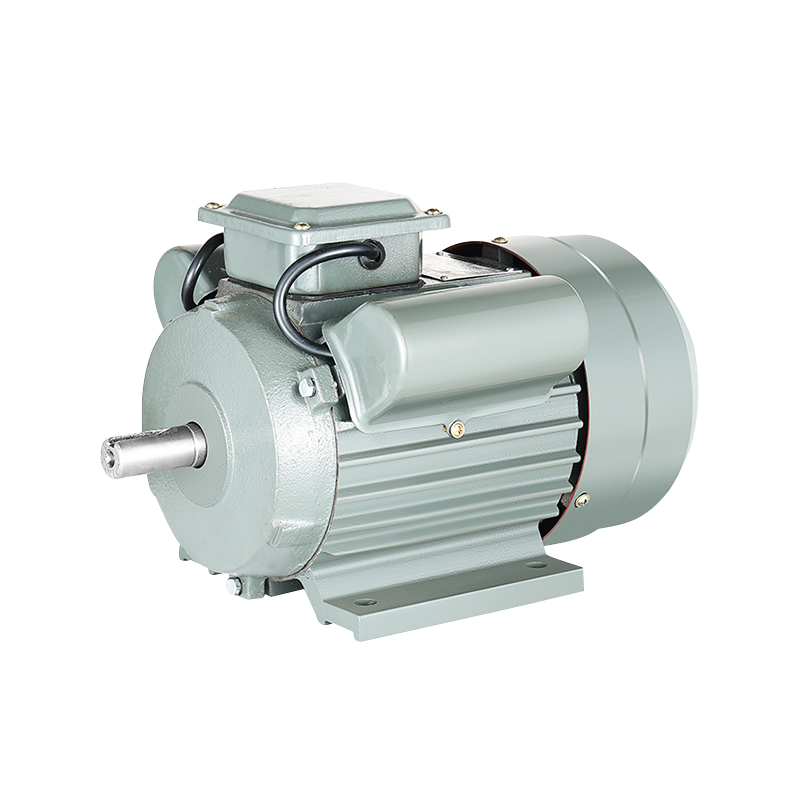
Industrial equipment does not always operate at one fixed speed. Production lines may accelerate during startup, slow down during material changes, or adjust speed according to process requirements. These repeated changes place different demands on the motor than simple continuous operation. When selecting a Three-Phase Frequency Controlled Asynchronous Motor, engineers need to consider the complete operating cycle, including acceleration, deceleration, load changes, thermal conditions, and the way the motor is controlled.
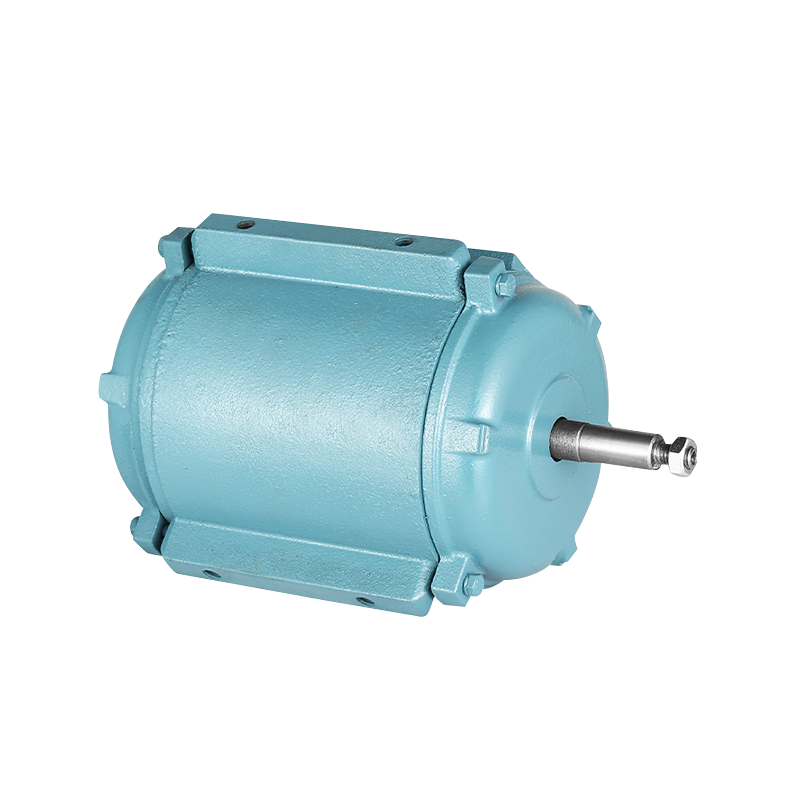
Frequent Speed Changes Affect the Motor Differently
A motor running continuously at a stable speed has a relatively predictable operating condition. A variable-speed application can be more complicated because the motor repeatedly moves between different operating points.
The actual cycle may include:
- Low-speed operation
- Acceleration
- Normal-speed running
- Deceleration
- Temporary high-load operation
- Repeated speed adjustment
Each stage can influence current, torque, temperature, and mechanical stress. A suitable motor should therefore be evaluated according to the complete cycle rather than only its normal running condition.
Acceleration Requires More Than Rated Power
During acceleration, the motor needs to overcome the inertia of the rotating equipment and the resistance created by the load. Heavy conveyors, mixers, compressors, and other machinery may require different acceleration characteristics.
For manufacturers, understanding the driven machine is essential before recommending a motor. Useful information includes the approximate load, required acceleration time, starting frequency, and whether the machine starts under load.
A motor that appears suitable during normal operation may require a different configuration if the equipment must accelerate frequently.
Deceleration Is Also Part of the Design
Reducing speed may seem less demanding than increasing speed, but repeated deceleration can still influence the complete drive system. The mechanical load, stopping time, control method, and frequency of speed changes all need to be considered.
If the machine requires rapid changes between operating speeds, the motor and frequency converter should be selected as a coordinated system. The control requirements should be discussed with the manufacturer before production rather than adjusted only after installation.
Thermal Conditions Can Build Up Over Time
Frequent acceleration and deceleration can create a different thermal pattern from continuous operation. The motor may experience changing current levels while the available cooling effect can also vary with speed.
For this reason, buyers should explain how long the motor normally operates at different speeds and how often the speed changes occur. This information helps the manufacturer evaluate whether the proposed motor configuration is appropriate for the expected duty.
Mechanical Components Need the Same Attention
Speed changes affect more than the motor itself. Couplings, gearboxes, belts, shafts, bearings, and connected equipment may all experience changing mechanical conditions.
Engineers should therefore check whether the entire transmission system is suitable for the required speed range. If the motor is replacing an existing unit, the new operating range should also be compared with the mechanical limits of the connected equipment.
This system-level approach can prevent a situation where the motor meets the electrical specification but the surrounding equipment does not suit the new operating conditions.
Manufacturer Input Can Improve Specification Accuracy
From a manufacturing perspective, a detailed application description is more useful than a simple request for a motor with a certain power rating. The more clearly the working cycle is described, the easier it is to evaluate the motor configuration.
For procurement enquiries, buyers can provide:
- Rated motor power
- Supply voltage and frequency
- Minimum and up to operating speed
- Normal load and peak load
- Acceleration and deceleration requirements
- Expected operating cycle
- Frequency of speed changes
- Installation environment
- Mechanical mounting information
These details create a clearer technical basis for quotation and production.
Select for the Whole Operating Cycle
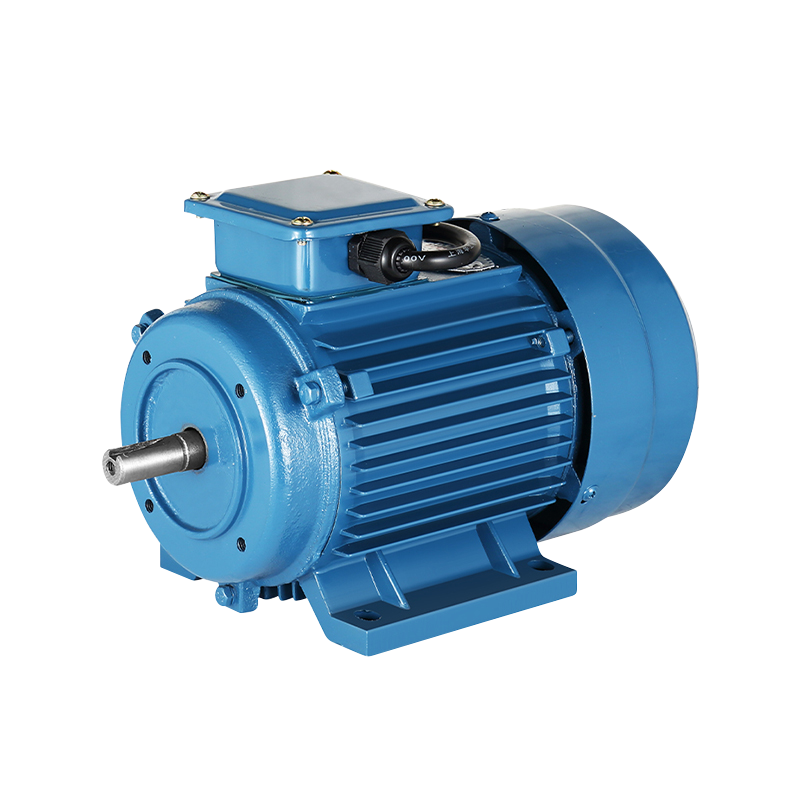
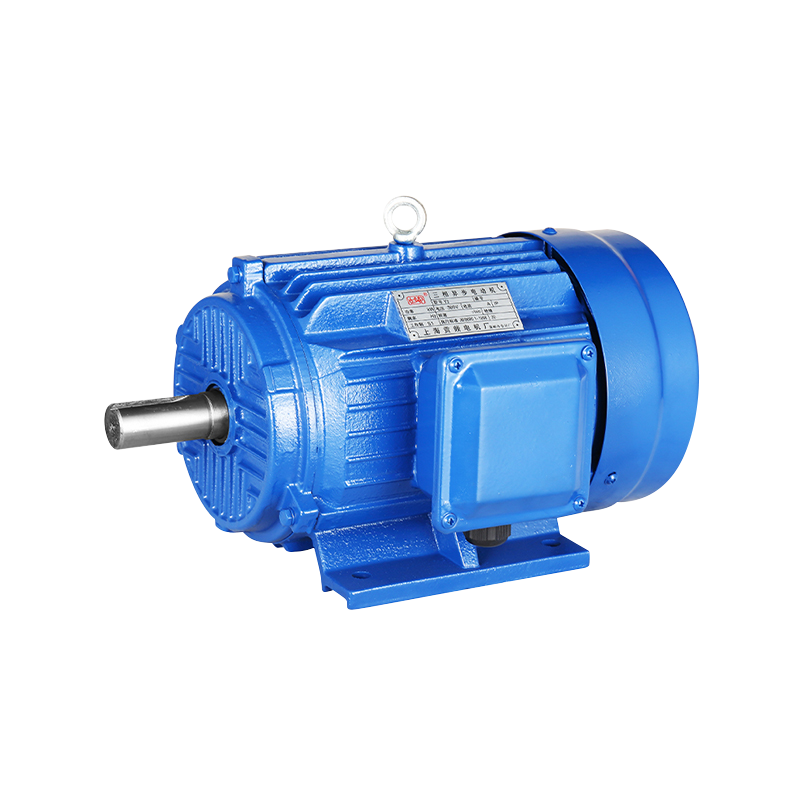
A Three-Phase Frequency Controlled Asynchronous Motor should be matched to the complete behavior of the machine. Frequent speed changes, acceleration, deceleration, load variation, cooling, and mechanical transmission all influence the final selection.
For overseas buyers, discussing the actual operating cycle with the manufacturer before ordering can help avoid relying on a single rated value. When the motor is selected around the real process rather than an isolated specification, the resulting drive system can be better aligned with the equipment's daily working requirements.

-
Feedback


Copyright © Zhejiang Gongpin Electromechanical Technology Co., Ltd. All Rights Reserved.
Small Medium Motors Mechanical Equipment Suppliers
