
 English
 中文简体
中文简体 Author: Admin Date: 2026-07-31
How Can Industrial Plants Reduce Energy Waste with Advanced Motor Speed Control Systems?
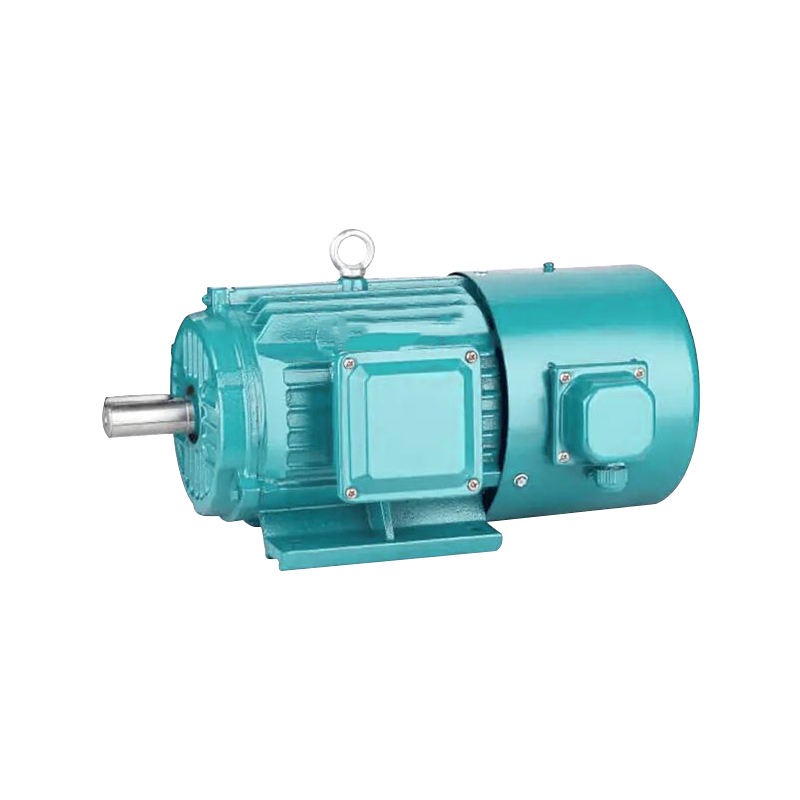
In modern industrial automation, energy efficiency and process stability have become two of the important purchasing criteria for engineering teams. Across HVAC systems, conveyor lines, pumps, and heavy-duty machinery, buyers are increasingly searching for industrial motor VFD energy saving case studies, torque control asynchronous motor at low speed, frequency inverter motor efficiency optimization, and Three-Phase Frequency Controlled Asynchronous Motor. This reflects a clear industry transition: motors are no longer selected only for power output, but for controllability, integration capability, and total lifecycle efficiency.
Why Energy Waste Still Happens in Traditional Motor Systems
Even in modern factories, many systems still rely on fixed-speed motors that operate continuously regardless of actual load demand. This creates hidden but significant energy losses.
Common inefficiency sources include:
- Motors running at full speed during partial load conditions
- Continuous operation of pumps and fans without demand adjustment
- Excessive heat loss during long idle cycles
- Mechanical stress from repeated start-stop cycles
- Lack of real-time speed adaptation to process changes
These issues directly increase operational cost and maintenance frequency.
How Frequency Control Changes Motor Operating Behavior
Frequency control systems adjust motor speed based on real-time load demand, improving both energy usage and mechanical stability.
Key functional improvements include:
- Adjustable operating frequency typically from 5 Hz to 50/60 Hz range
- Smooth acceleration and deceleration to reduce mechanical shock
- Lower starting current compared to direct-on-line motors
- Stable torque output under variable load conditions
- Improved synchronization with automated control systems
This makes frequency control essential in modern smart manufacturing environments.
Why Asynchronous Motor Architecture Still Dominates Industry Applications
Despite technological advancements, asynchronous motors remain widely used due to their structural reliability and cost efficiency in continuous-duty applications.
Engineering advantages include:
- Rugged squirrel-cage rotor design for long service life
- High resistance to industrial vibration and load fluctuations
- Simple maintenance requirements compared to complex motor types
- Proven compatibility with global industrial power systems
- Stable operation under harsh environmental conditions
When combined with frequency control, their efficiency potential is significantly improved.
Energy Efficiency Is Now a Core Engineering Requirement
Industrial buyers are no longer evaluating motors based only on rated power. Instead, energy performance across different operating conditions has become a key decision factor.
Common evaluation criteria include:
- Efficiency under partial-load operation scenarios
- Power factor stability across frequency ranges
- Heat generation during long operating cycles
- Compatibility with inverter-driven systems
- Total cost of ownership over the product lifecycle
This shift is strongly driven by global energy-saving regulations and ESG goals.
System Integration Determines Real Energy Savings
Even a high-efficiency motor cannot perform optimally without proper system integration. The interaction between motor, inverter, and load system is critical.
Key integration factors include:
- Proper matching between inverter capacity and motor rating
- Stable torque delivery at low-speed operation
- Electrical noise suppression in VFD environments
- PLC and automation system compatibility
- Load balancing accuracy in dynamic production processes
Poor integration often reduces expected energy savings significantly.
Manufacturing Quality Directly Impacts Operational Stability
Under frequency-controlled operation, motor consistency becomes even more important because performance variations can affect vibration and thermal stability.
A controlled manufacturing process typically includes:
- Precision stator winding alignment for balanced magnetic fields
- Rotor dynamic balancing to minimize vibration at variable speeds
- High-grade insulation systems designed for inverter duty use
- Optimized cooling structure for continuous operation
- Full-load and variable-frequency performance testing before delivery
These processes ensure stable performance in real industrial environments.
Intelligent Motor Control Will Define Future Industrial Efficiency
As factories continue transitioning toward smart manufacturing and digital energy management, demand for frequency-controlled motor systems will continue to grow. Future developments will focus on higher efficiency standards, improved system integration, and more precise torque control under complex load conditions.
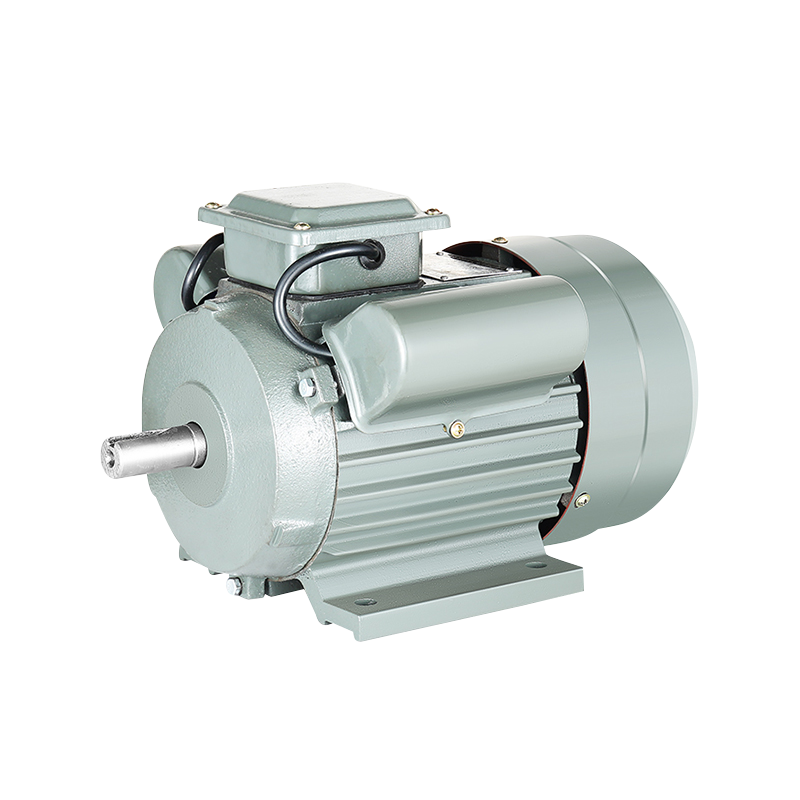
For engineers, distributors, and procurement teams, selecting a reliable Three-Phase Frequency Controlled Asynchronous Motor is becoming a strategic decision that directly affects energy consumption, system stability, and long-term operational cost efficiency in modern industrial applications.

-
Feedback


Copyright © Zhejiang Gongpin Electromechanical Technology Co., Ltd. All Rights Reserved.
Small Medium Motors Mechanical Equipment Suppliers
