
 English
 中文简体
中文简体 Author: Admin Date: 2026-07-24
Why Are Industrial Buyers Shifting Toward Smart Motor Speed Regulation in Modern Automation Systems?
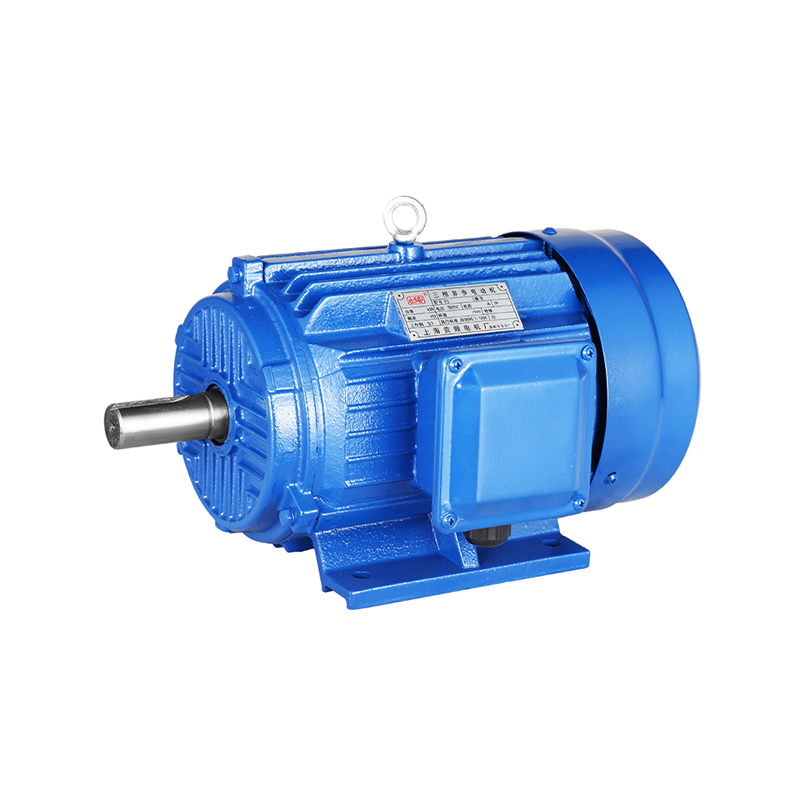
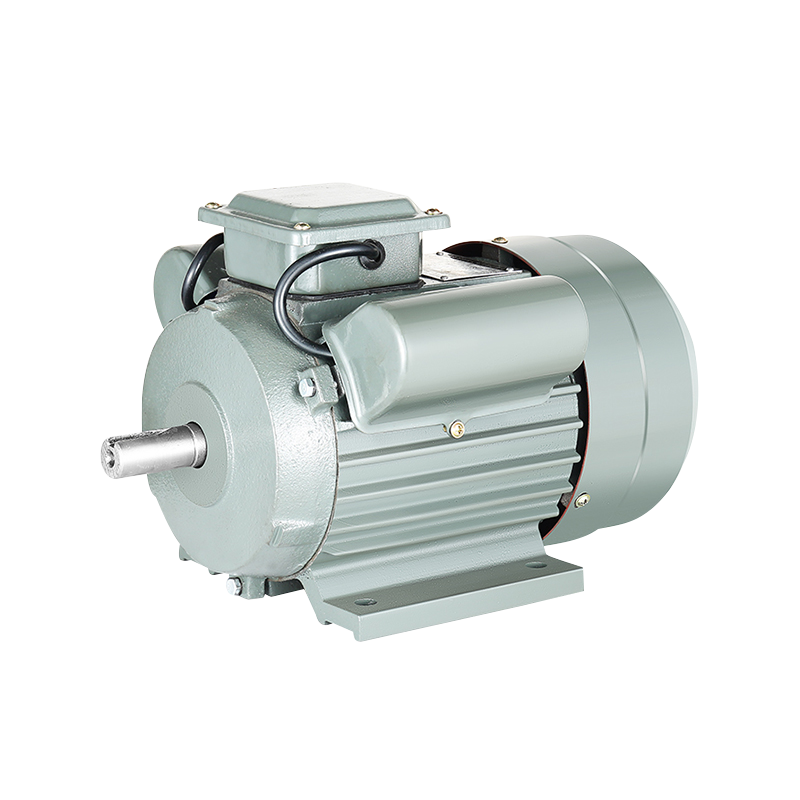
As global manufacturing continues moving toward automation, energy optimization, and predictive maintenance, industrial buyers are increasingly rethinking how motor systems are selected and integrated. Current search patterns such as industrial VFD motor performance comparison, energy-saving asynchronous motor for conveyors, variable speed torque stability issues, and Three-Phase Frequency Controlled Asynchronous Motor reflect a clear demand for controllable, efficient, and system-compatible drive solutions rather than traditional constant-speed equipment.
Why Fixed-Speed Operation No Longer Matches Modern Load Variation
In modern industrial environments, machinery rarely operates under stable load conditions. Production lines fluctuate due to batch processing, automated scheduling, and real-time demand adjustments.
Typical inefficiencies of fixed-speed systems include:
- Energy waste during low-load operation cycles
- Mechanical stress from frequent start-stop conditions
- Limited adaptability to changing production speeds
- Higher heat accumulation in motor windings
- Reduced system responsiveness in automation lines
These limitations are pushing industries toward frequency-controlled alternatives.
How Frequency Regulation Enhances Energy Optimization
Frequency control technology allows motors to adjust rotational speed dynamically according to load demand. This improves both energy efficiency and mechanical stability.
Key measurable benefits include:
- Reduced inrush current during motor startup (up to 60% lower peak current in many designs)
- Smoother acceleration and deceleration curves
- Stable torque output across variable loads
- Improved synchronization with automated production systems
This makes frequency-controlled motors essential for smart factories.
Why Asynchronous Motor Design Remains the Industrial Backbone
Despite technological advancements, asynchronous motors continue to dominate industrial applications due to their structural simplicity and proven reliability.
Core engineering advantages include:
- Rugged rotor design suitable for continuous duty cycles
- Stable operation in high-vibration industrial environments
- Lower maintenance requirements compared to complex synchronous systems
- Cost efficiency in large-scale deployment
- Compatibility with global industrial power standards
When combined with frequency control systems, performance flexibility increases significantly.
Energy Efficiency Is Now a Key Procurement Decision Factor
Industrial procurement teams are no longer evaluating motors based solely on power rating or price. Energy consumption and lifecycle efficiency have become critical decision metrics.
Buyers commonly assess:
- Efficiency performance under partial-load conditions
- Compatibility with inverter-driven control systems
- Heat loss behavior during extended operation
- Power factor stability across frequency ranges
- Total lifecycle operating cost instead of upfront pricing
This shift is especially visible in HVAC, logistics, and automated manufacturing sectors.
System Integration Determines Real-World Motor Performance
Motor performance in real applications depends heavily on how well it integrates with frequency inverters, control systems, and mechanical load structures.
Important integration considerations include:
Matching inverter output with motor rated parameters
- Torque stability at low-speed operation
- Electromagnetic noise suppression in VFD environments
- PLC and automation system communication compatibility
- Load matching accuracy in dynamic production environments
Poor integration can significantly reduce expected efficiency gains.
Manufacturing Precision Ensures Stable Frequency Operation
Under variable frequency conditions, motor consistency becomes even more important. Small manufacturing deviations can affect vibration, noise, and thermal behavior.
A stable production process typically includes:
- Precision stator winding alignment for balanced magnetic fields
- Rotor dynamic balancing to reduce vibration at variable speeds
- High-grade insulation systems designed for inverter-duty use
- Optimized cooling structure for continuous industrial operation
- Full-load and variable-frequency performance testing before shipment
These steps ensure long-term stability under real operating conditions.
Intelligent Motor Systems Will Define Industrial Energy Strategy
As industries continue to adopt smart manufacturing and digital energy management systems, demand for frequency-controlled motor solutions will keep growing. Future development will focus on higher efficiency standards, improved system integration, and more precise torque control under complex load conditions.
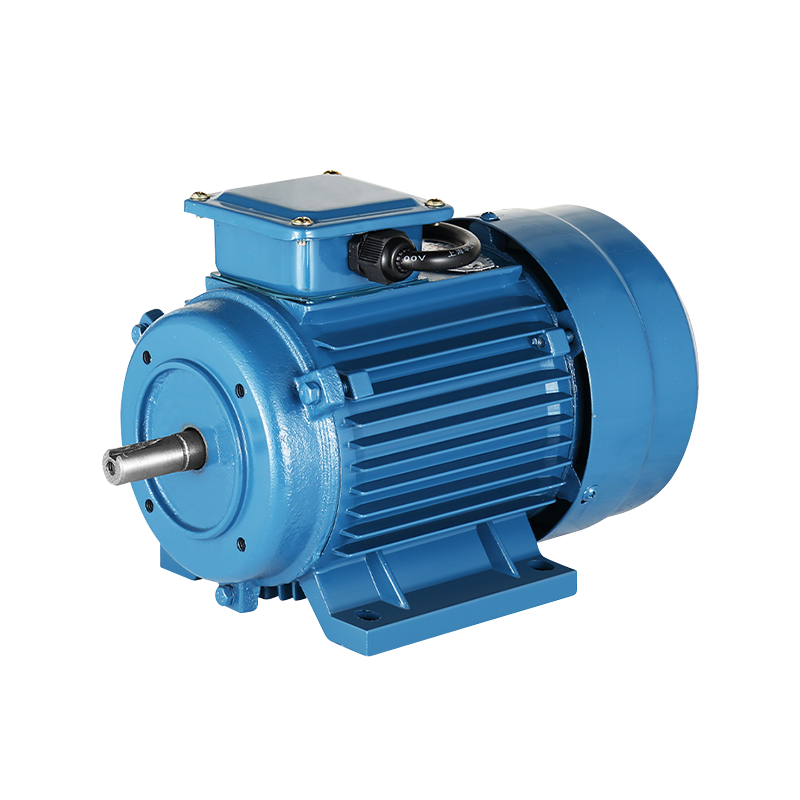
For engineers, distributors, and procurement teams, selecting a reliable Three-Phase Frequency Controlled Asynchronous Motor is becoming a strategic decision that directly affects energy consumption, production stability, and long-term operational cost efficiency.

-
Feedback


Copyright © Zhejiang Gongpin Electromechanical Technology Co., Ltd. All Rights Reserved.
Small Medium Motors Mechanical Equipment Suppliers
