
 English
 中文简体
Author: Admin Date: 2026-11-06
How Can the Right Manual Punch Press Improve Small-Batch Metalworking?
In small workshops, maintenance facilities, and light manufacturing operations, not every punching task requires a large automated production line. Many businesses still need a compact machine for making holes, shaping sheet materials, or carrying out occasional forming operations. Choosing a suitable Manual Punch Press, however, involves more than comparing machine size or purchase price. Buyers need to consider material thickness, punching force, die compatibility, workpiece positioning, and operator safety. For manufacturers and distributors serving different industrial markets, understanding these requirements helps match equipment to real workshop applications.
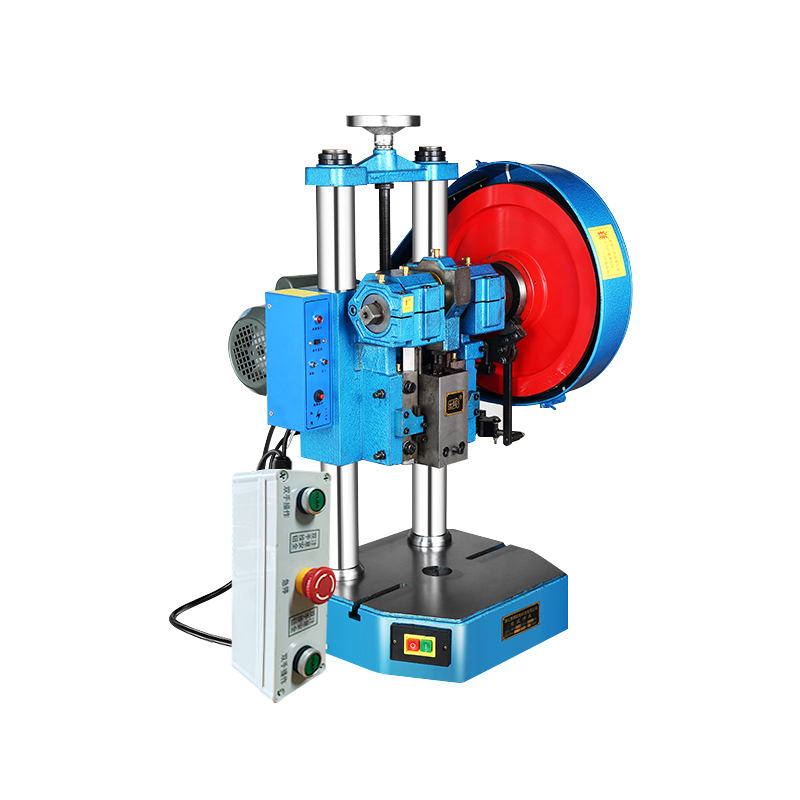
Define the Material and Punching Requirements First
Material type and thickness have a direct influence on the force required for a punching operation. A press intended for thin aluminum sheet may not be suitable for thicker steel workpieces or repeated operations involving harder materials.
Before selecting a machine, buyers should identify the materials they expect to process, the required hole sizes, and the frequency of use. These details help manufacturers evaluate the appropriate machine structure and working capacity.
It is also important to distinguish between occasional workshop use and regular production work. A machine used throughout the working day may require different structural considerations from one used for repair jobs or small custom orders.
Understand the Relationship Between Punching Force and Machine Structure
Punching force is an important specification, but it should not be considered separately from the frame and mechanical design. During operation, the machine must withstand the load generated as the punch moves through the material.
The frame, guide components, operating mechanism, and worktable all contribute to the machine's performance. If the structure is not appropriate for the intended workload, alignment and consistency may become difficult to maintain.
From a manufacturing perspective, the goal is to match the mechanical design with the expected punching conditions. Buyers should therefore review the rated capacity together with the machine's construction rather than selecting equipment based on a single specification.
Check Die Compatibility Before Purchasing
The punch and die determine the shape and dimensions of the finished opening. Even when a press has sufficient capacity, unsuitable tooling can prevent the machine from producing the required result.
When evaluating a Manual Punch Press, procurement teams should confirm:
- Compatible punch and die dimensions
- Available tooling configurations
- Die installation and replacement procedures
- Workpiece clearance around the tooling area
- Availability of replacement or customized dies
For businesses handling different products, tooling flexibility can be an important purchasing consideration. Discussing the required hole shapes and sizes with the manufacturer before ordering can help avoid compatibility problems later.
Improve Positioning for More Consistent Results
Accurate punching depends not only on the press mechanism but also on how the workpiece is positioned. If a sheet moves during operation or is not aligned correctly with the punch, the finished hole may not appear in the intended location.
A practical setup should provide adequate support for the material and allow the operator to position it consistently. Depending on the application, buyers may need to consider worktable dimensions, positioning guides, stops, or additional fixtures.
For repeated punching tasks, a suitable positioning arrangement can reduce unnecessary adjustments and make the workflow easier to manage. Manufacturers should understand the workpiece dimensions and production process when discussing optional fixtures.
Make Operator Safety Part of Equipment Selection
Manual operation requires direct attention to hand positioning, workpiece stability, and the movement of the operating mechanism. Buyers should review the machine's guarding arrangements, operating instructions, and applicable safety requirements for the destination market.
Operators also need adequate training on material placement, tooling installation, and the correct operating sequence. A clear working area and suitable maintenance procedures contribute to safer workshop practices.
Safety considerations should be addressed during equipment selection rather than treated as an issue only after installation.
Plan for Maintenance and Tooling Replacement
A manual press may have a relatively straightforward operating mechanism, but regular inspection remains important. Wear on tooling, loose fasteners, damaged components, or poor lubrication can affect operation over time.
A practical maintenance routine can include:
- Inspecting punches and dies for wear or damage
- Checking fasteners and moving components
- Keeping working surfaces clean
- Following the recommended lubrication procedure
- Replacing worn tooling when necessary
Buyers should also ask about spare parts and technical support, particularly when the machine will be used in a commercial workshop.
Match the Machine to the Work It Needs to Perform
A suitable Manual Punch Press should reflect the actual materials, tooling requirements, production frequency, and working conditions of the buyer. For manufacturers, this means considering frame strength, mechanical design, die compatibility, positioning arrangements, and operator requirements as connected parts of one equipment solution. Overseas distributors and industrial buyers can make more informed purchasing decisions by providing these application details before requesting a quotation or sample evaluation. Selecting the machine around the intended punching tasks helps create a more practical fit between equipment capability and workshop needs.

-
Feedback
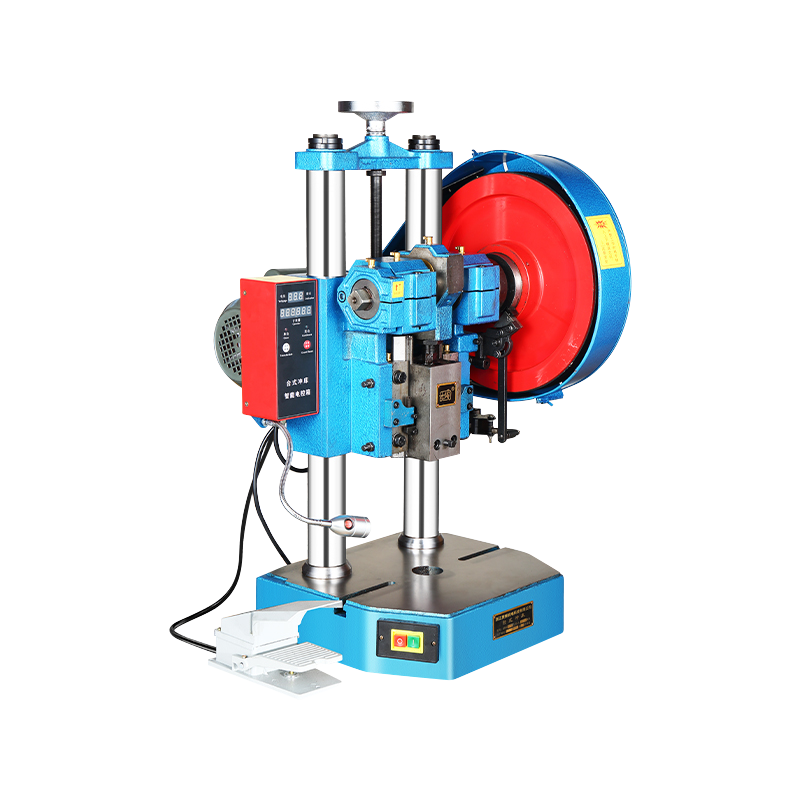
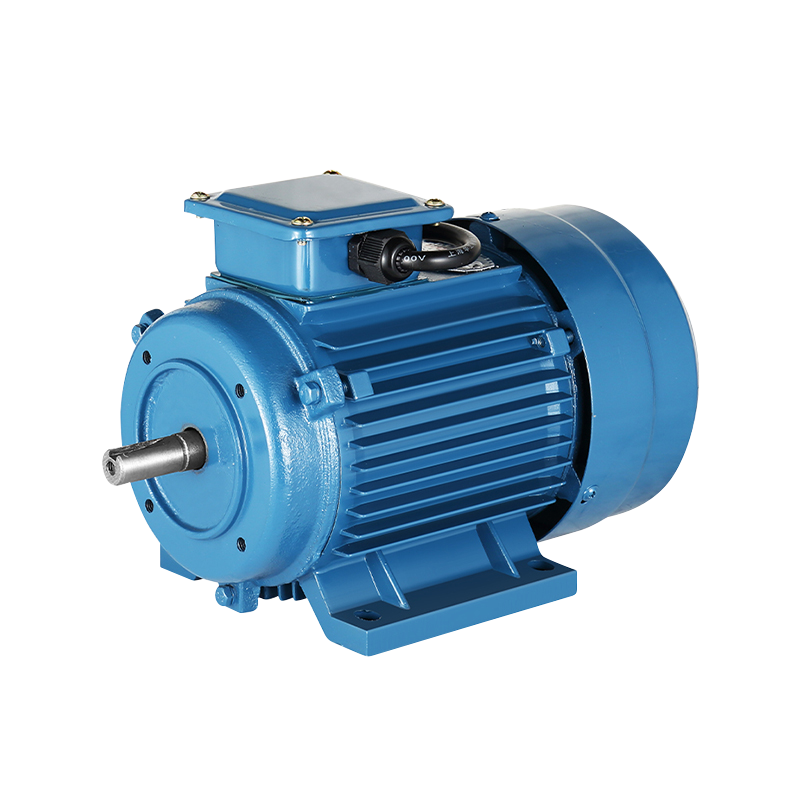
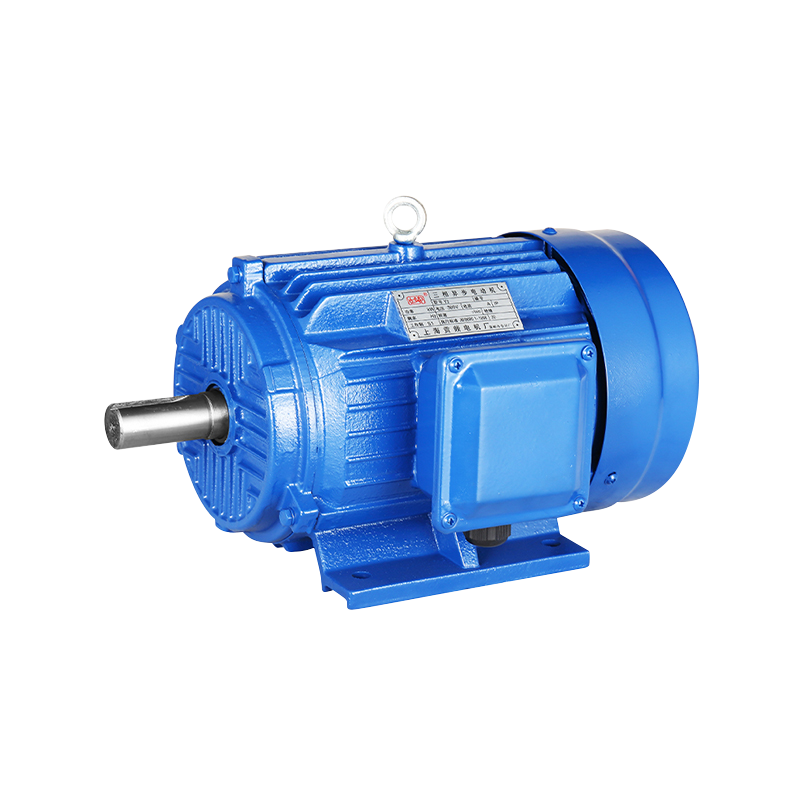


Copyright © Zhejiang Gongpin Electromechanical Technology Co., Ltd. All Rights Reserved.
Small Medium Motors Mechanical Equipment Suppliers
