
 English
 中文简体
Author: Admin Date: 2026-10-30
How Should a Frequency Controlled Motor Match Different Industrial Loads?
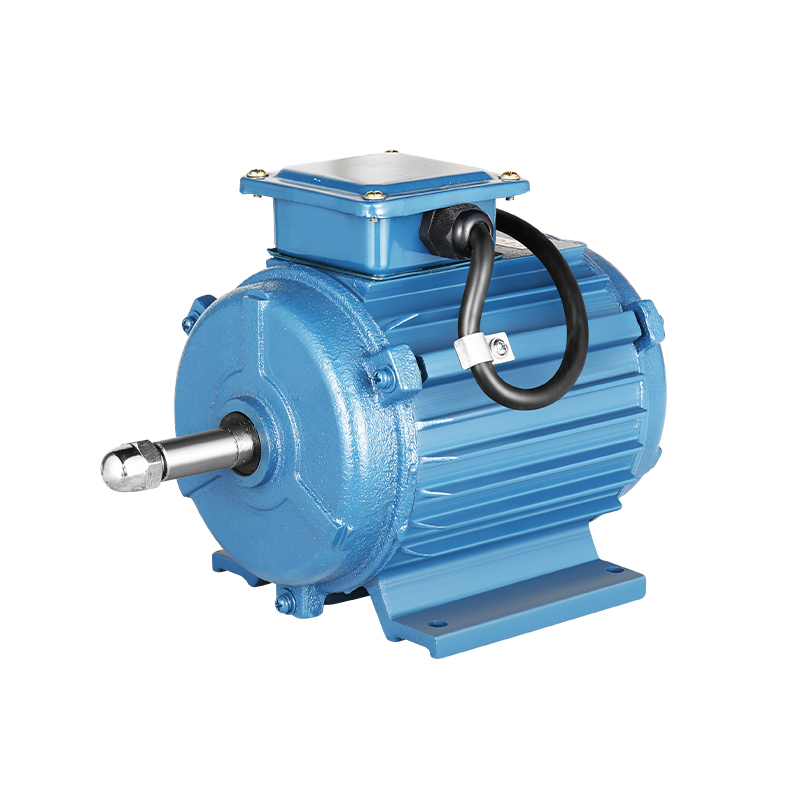
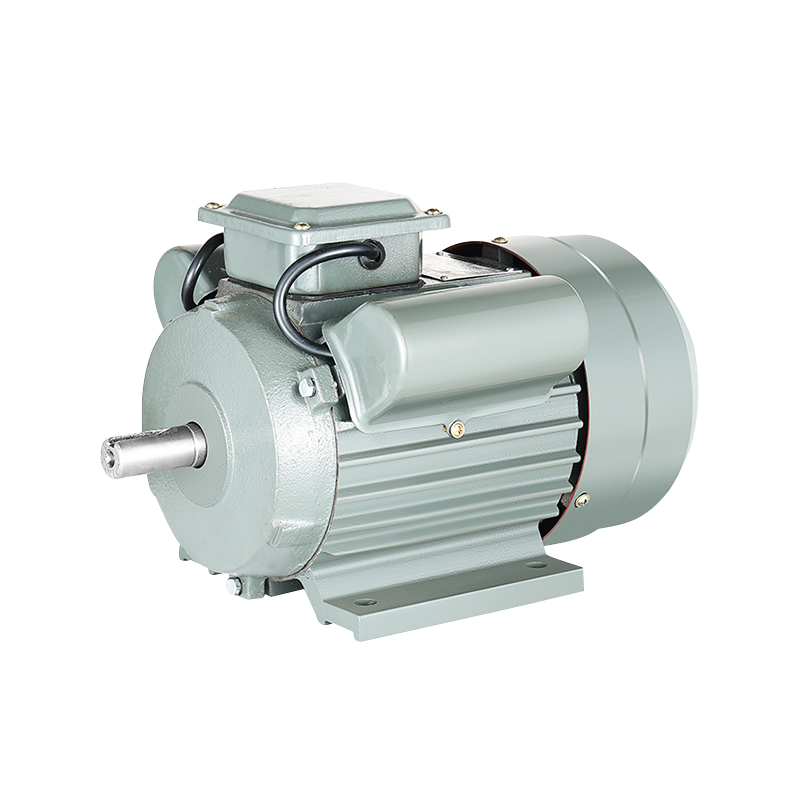
Variable-speed control can help industrial equipment adapt to changing production requirements, but the motor should be selected according to the load it actually drives. A conveyor, pump, fan, compressor, and processing machine can behave very differently as speed changes. For engineers and procurement teams, choosing a Three-Phase Frequency Controlled Asynchronous Motor based only on rated power may overlook important torque, cooling, and operating-cycle requirements.
Start With the Type of Load
The step is to understand how the driven machine responds when speed changes. Some loads require relatively stable torque across their operating range, while others require less torque as speed decreases.
This distinction affects motor sizing and control requirements. A manufacturer should know the basic load characteristics before recommending a configuration rather than treating every variable-speed application in the same way.
For buyers, useful application information includes:
- Type of driven equipment
- Normal operating speed
- Minimum and up to speed
- Required torque
- Starting condition
- Expected load variation
A clearer load description usually leads to a more practical technical recommendation.
Conveyors Need Stable Mechanical Control
Conveyor systems often move materials continuously, and their load can change according to the amount of material being transported. The motor may need to provide sufficient torque during acceleration as well as stable operation during normal production.
When selecting a motor for a conveyor, engineers should consider belt or chain transmission, starting load, speed requirements, and whether the conveyor must frequently accelerate or stop.
A motor that is suitable for light continuous operation may need a different configuration when the same system is expected to handle frequent starts or heavier loads.
Pumps and Fans Behave Differently
Pumps and fans generally have operating characteristics that differ from conveyors and many other constant-torque machines. Their required output changes as operating speed changes, which makes variable-speed control particularly useful for process adjustment.
However, the motor should still be evaluated across the intended speed range. Low-speed operation, ambient temperature, cooling method, and the amount of time spent at different speeds can influence the actual motor operating condition.
This is why the application should be described in terms of real operating requirements rather than simply specifying a desired RPM.
Compressors Can Create More Demanding Conditions
Compressors may place substantial torque demands on the motor, particularly when operating conditions change or when the equipment starts under load. The required motor configuration depends on the compressor type, pressure conditions, operating cycle, and speed range.
For procurement teams, it is useful to provide the manufacturer with the compressor's working requirements rather than selecting the motor solely from the compressor's nominal power.
The manufacturer can then evaluate the relationship between motor output, speed, torque, and thermal conditions.
Cooling Should Follow the Speed Range
Variable-speed operation can change the motor's cooling conditions. In self-ventilated designs, lower motor speed can reduce the airflow produced by the shaft-mounted fan. If the load still requires substantial torque at low speed, the resulting thermal condition needs to be considered.
Depending on the application, the manufacturer may need to evaluate:
- Operating speed range
- Load level at low speed
- Ambient temperature
- Cooling arrangement
- Continuous low-speed operation
- Required torque
This is one reason why the same motor rating cannot automatically be applied to every variable-speed machine.
Do Not Separate the Motor From the Drive
The frequency converter and motor should be considered as a coordinated system. Control mode, frequency range, acceleration and deceleration settings, and the intended operating points can all influence the motor's working condition.
For manufacturers, receiving the drive information during the quotation stage can make technical evaluation more accurate. It also helps avoid situations where the motor specification is finalized and compatibility questions are discovered later during commissioning.
Give the Manufacturer the Real Working Conditions
From a manufacturing perspective, the motor specification begins with the customer's process rather than a catalogue number. The more clearly the working conditions are described, the easier it is to determine the appropriate configuration.
For an overseas purchasing enquiry, buyers can provide:
- Driven machine type
- Rated load
- Speed range
- Torque requirements
- Operating cycle
- Starting and stopping frequency
- Installation environment
- Frequency converter information
- Mounting requirements
This information gives the manufacturer a practical basis for reviewing the application.
Match the Motor to the Machine, Not Just the Rating
A Three-Phase Frequency Controlled Asynchronous Motor should be selected according to the behavior of the driven equipment. Conveyors, pumps, fans, compressors, and other machines can have different torque and speed requirements, even when their rated power appears similar.
For overseas buyers, discussing the complete operating profile with the manufacturer before ordering can make the selection process more precise. When motor output, load characteristics, speed range, cooling, and drive control are evaluated together, the final configuration is more closely aligned with the actual production process.

-
Feedback


Copyright © Zhejiang Gongpin Electromechanical Technology Co., Ltd. All Rights Reserved.
Small Medium Motors Mechanical Equipment Suppliers
