
 English
 中文简体
Author: Admin Date: 2026-11-20
How Can You Choose the Right Manual Punch Press for Your Workshop?
For small workshops, maintenance departments, and light manufacturing operations, a punching machine needs to deliver consistent results without creating unnecessary operating complexity. However, selecting equipment based only on its appearance or advertised punching capacity can advance to problems when the actual material, hole dimensions, or production requirements are different from expectations. A suitable Manual Punch Press should match the workpiece material, thickness, tooling arrangement, and expected workload. Understanding these factors helps overseas buyers make more practical purchasing decisions and avoid equipment that does not fit their daily operations.
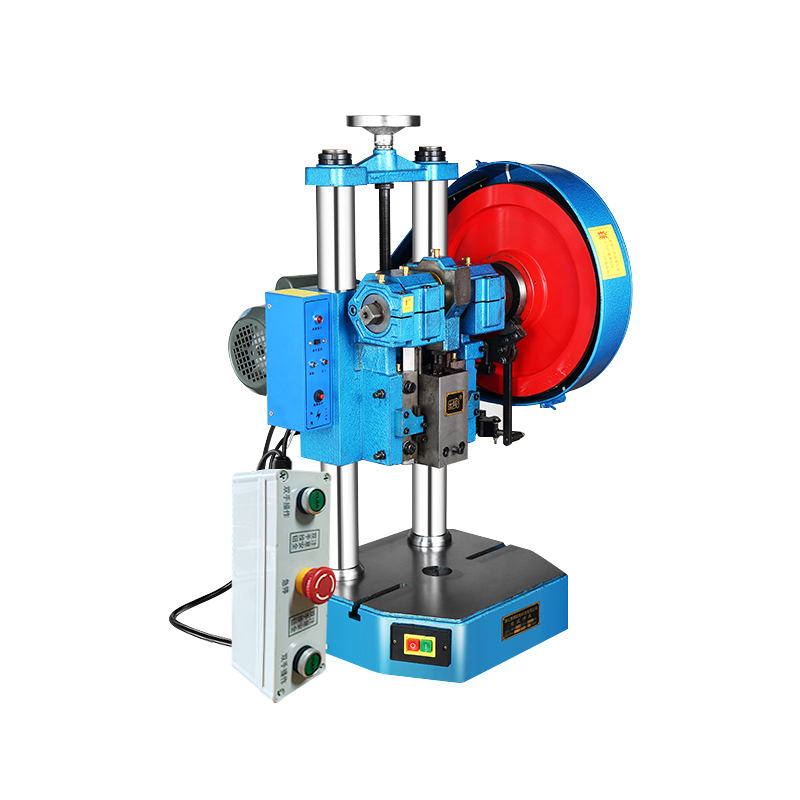
Start With the Material and Thickness
The material being processed is one of the factors to consider. Aluminum, mild steel, copper, and other sheet materials have different mechanical properties, which influence the force required for punching.
Material thickness also affects the selection of a suitable machine. A press intended for thin sheet applications may not be appropriate for thicker workpieces. Buyers should provide the manufacturer with the material type, thickness range, and required hole dimensions before requesting a model recommendation.
This information allows the supplier to assess whether the machine's working capacity is suitable for the intended application rather than relying on a general capacity description.
Calculate the Required Punching Force
Punching force is directly related to material thickness, hole perimeter, and material strength. If the selected machine cannot generate sufficient force, operators may experience incomplete holes, excessive deformation, or difficulty completing the operation.
For procurement teams, it is useful to prepare the main processing specifications in advance, including:
- Material type and approximate strength
- Maximum sheet thickness
- Hole diameter or punching shape
- Number of holes per workpiece
- Expected frequency of operation
A manufacturer can use these details to evaluate the required punching capacity and recommend a more suitable machine configuration.
Match the Punch and Die to the Application
The punch and die are essential working components. Their dimensions, alignment, and compatibility influence hole quality and tool service life.
An unsuitable tooling combination may produce rough edges, inconsistent hole dimensions, or excessive wear. Buyers should therefore confirm whether standard tooling is available for their applications and whether custom punch and die configurations can be supplied when required.
From a manufacturing perspective, tooling compatibility should be considered during equipment selection, not treated as an issue to resolve only after the machine arrives at the workshop.
Workpiece Positioning Influences Accuracy
Even when the machine provides sufficient punching force, inconsistent workpiece positioning can affect the final result. This becomes particularly noticeable when several holes need to be punched at regular intervals or when multiple parts must follow the same dimensions.
A practical positioning arrangement can help operators repeat the same punching location more consistently. Depending on the application, buyers may need to consider workpiece supports, positioning stops, guides, or other locating accessories.
For manufacturers, the goal is to ensure that the machine structure and available positioning features support the intended processing method.
Evaluate Operation and Workplace Requirements
Manual punching equipment is often selected for applications where a compact working arrangement and straightforward operation are important. However, operators still need sufficient access to load, position, and remove workpieces safely.
Before purchasing, consider the available workshop space, workpiece dimensions, operator working position, and frequency of use. The machine should be installed on a suitable work surface or support structure according to the manufacturer's instructions.
Clear operating procedures and appropriate operator training are also important, particularly when different employees share the same equipment.
Maintenance Helps Protect Punching Performance
Punching machines experience repeated mechanical loading during operation. Moving components, connection points, tooling surfaces, and alignment areas should therefore be inspected according to the manufacturer's maintenance recommendations.
A practical maintenance routine may include:
- Checking fasteners and structural connections
- Inspecting punch and die surfaces for wear
- Keeping moving parts clean and properly lubricated
- Checking tooling alignment
- Replacing damaged components when necessary
Regular inspection can help identify developing problems before they affect the quality of processed workpieces.
Choose a Manufacturer That Understands Your Processing Needs
A suitable machine is not simply the one with the largest stated capacity. It is the one that matches the actual materials, hole specifications, tooling requirements, and working conditions of the intended application. As a Manual Punch Press manufacturer, evaluating these details helps us understand the practical requirements behind each purchasing request. Overseas buyers should communicate their material specifications, processing dimensions, expected workload, and customization needs before confirming an order. This approach makes equipment selection more accurate and helps ensure that the chosen Manual Punch Press can support the workshop's actual production tasks.

-
Feedback
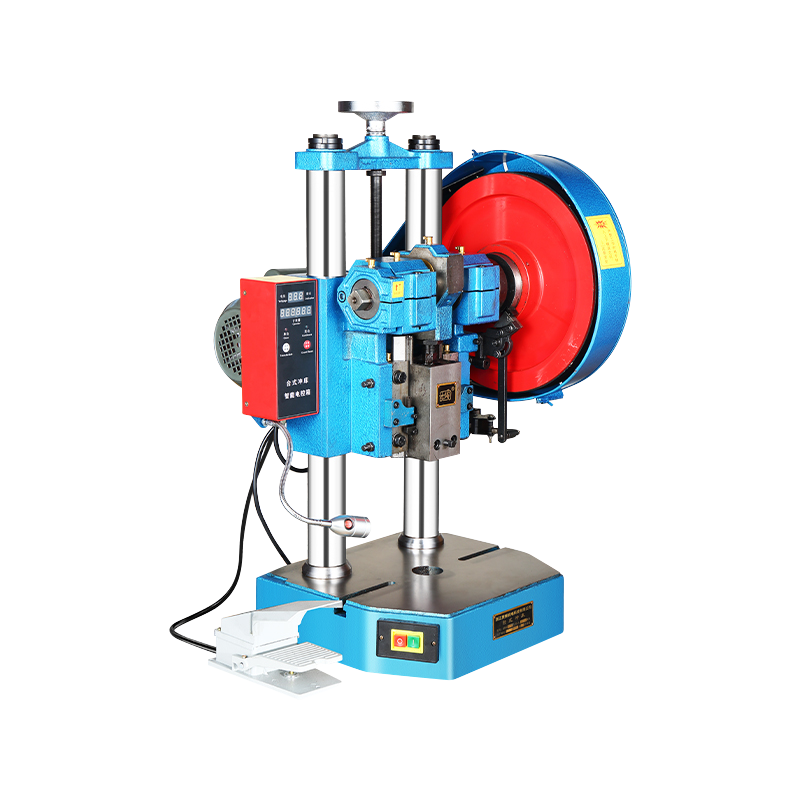


Copyright © Zhejiang Gongpin Electromechanical Technology Co., Ltd. All Rights Reserved.
Small Medium Motors Mechanical Equipment Suppliers
