
 English
 中文简体
Author: Admin Date: 2026-11-13
Improving Small-Batch Production With a Flexible Manual Punch Press
Small-batch manufacturing often involves frequent changes in workpiece dimensions, hole positions, and material specifications. For workshops handling customized metal parts or occasional production orders, using complex automated equipment may not always be practical. The challenge is to maintain consistent punching results while keeping equipment operation and production preparation manageable. A Manual Punch Press can be a useful option for these applications, provided that its working capacity, tooling compatibility, and positioning arrangements match the actual production requirements.
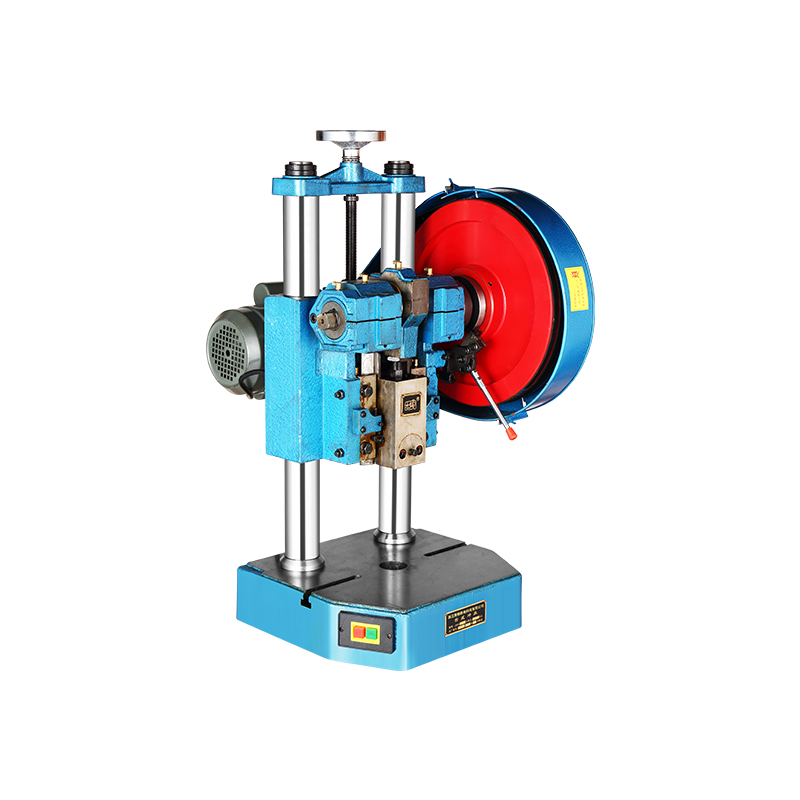
Flexibility Begins With Tooling Compatibility
Different orders may require different hole diameters, shapes, and punching positions. If a machine supports only a narrow range of tooling options, operators may need additional equipment or time-consuming workarounds when production requirements change.
Before purchasing, buyers should check the available punch and die specifications, replacement options, and compatibility with custom tooling. It is also useful to confirm how tooling is installed and adjusted.
For manufacturers, a practical tooling arrangement should make routine changes manageable while maintaining proper alignment between the punch and die. This is particularly important for workshops that process several product types using the same machine.
Reduce Preparation Time Between Jobs
In small-batch production, preparation can account for a considerable part of the overall workflow. Operators may need to remove existing tooling, install another set, adjust workpiece positioning, and verify the processed part before continuing.
A well-considered machine configuration can make these steps easier to organize. Buyers should evaluate whether the tooling structure is accessible, whether adjustment points are convenient to reach, and whether the machine allows repeatable setup procedures.
Establishing a clear setup routine also helps reduce unnecessary adjustments when the same job returns to production.
Repeatability Depends on More Than Punching Force
Producing one acceptable hole does not necessarily mean that a machine can maintain the same result across a batch. Workpiece positioning, tooling condition, machine rigidity, and operator technique all influence repeatability.
For applications involving multiple holes or repeated components, buyers should consider the following details:
- Whether the workpiece can be positioned consistently
- Whether locating stops or guides are available
- Whether the punch and die remain properly aligned
- Whether the machine structure supports the intended workload
- Whether operators can follow a consistent working sequence
These considerations help determine whether the equipment is suitable for the required production process.
Workpiece Size Should Influence Machine Selection
A machine may have sufficient punching capacity but still be inconvenient for a particular workpiece. Large sheets, narrow metal strips, and small components create different positioning and handling requirements.
Buyers should consider the dimensions of the material, the location of the holes, and the amount of working space needed around the punching area. For longer or wider workpieces, suitable support arrangements may be necessary to keep the material stable during operation.
Manufacturers can use these application details to assess the machine configuration and identify whether additional positioning accessories would be beneficial.
Operator Workflow Is Part of Production Efficiency
Manual equipment relies on the operator to position materials and perform the punching action. This makes the working sequence an important part of the overall process.
A suitable handle arrangement, accessible working area, and clear operating procedure can help operators perform repeated tasks more comfortably. The machine should also be installed on an appropriate support surface and operated according to its instructions.
For workshops with several operators, basic training and standardized setup procedures can help reduce differences in working methods between shifts.
Plan Tooling and Spare Parts Before Purchasing
Frequent production changes can increase the importance of tooling availability. If replacement punches or dies are difficult to obtain, a relatively simple maintenance issue may interrupt workshop operations.
Procurement teams should discuss the availability of standard tooling, custom components, replacement parts, and technical support before placing an order. Keeping records of tooling specifications can also make future replenishment easier.
This is particularly useful for distributors and manufacturers that expect to use the same equipment configuration across multiple production orders.
Match Equipment Flexibility With Real Production Needs
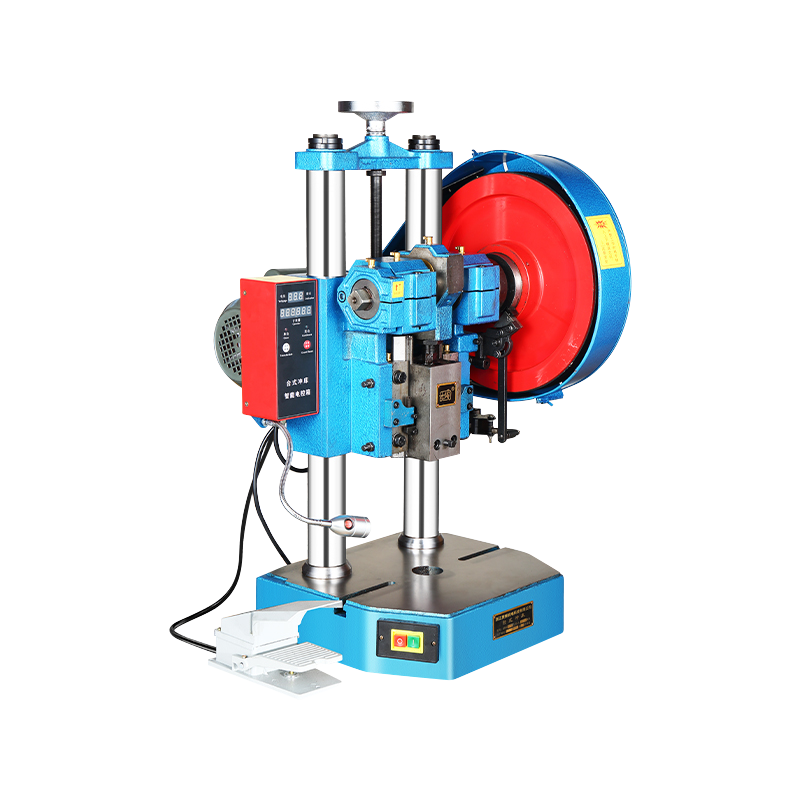
A flexible punching solution should support the workshop's actual range of materials, workpiece dimensions, and production tasks. As a Manual Punch Press manufacturer, evaluating tooling compatibility, positioning requirements, machine structure, and operator workflow provides a more useful basis for equipment selection than focusing on a single specification. Overseas buyers can improve their purchasing decisions by sharing representative workpiece drawings and processing requirements during the inquiry stage. With the right configuration, a Manual Punch Press can provide a practical approach to small-batch processing, customized metalwork, and workshop operations that require frequent production changes.

-
Feedback


Copyright © Zhejiang Gongpin Electromechanical Technology Co., Ltd. All Rights Reserved.
Small Medium Motors Mechanical Equipment Suppliers
