
 English
 中文简体
中文简体 Author: Admin Date: 2026-07-10
Why Are Industries Rapidly Switching to Variable Speed Motor Systems for Energy Optimization?
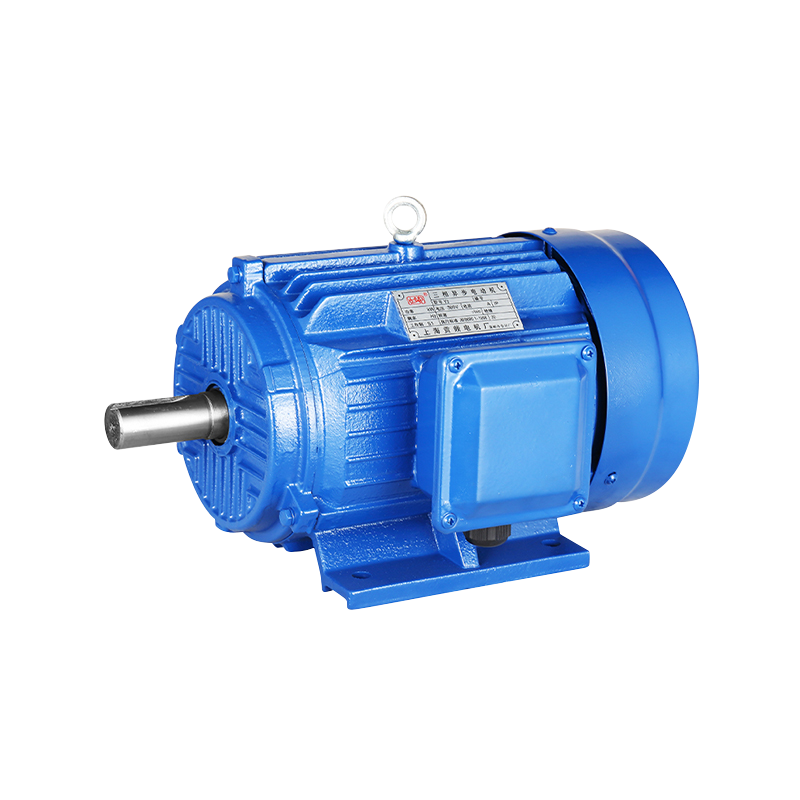
In today’s industrial automation and energy-conscious manufacturing environment, engineers are increasingly focused on reducing power consumption while maintaining stable torque performance across variable loads. Search trends such as VFD motor speed control advantages, energy saving industrial motor systems, soft start three-phase motor applications, and Three-Phase Frequency Controlled Asynchronous Motor reflect a clear global shift toward intelligent motor control systems. Buyers are no longer evaluating motors only by rated power—they are analyzing efficiency curves, load adaptability, and integration with frequency inverters.
Why Fixed-Speed Motors Are Losing Industrial Preference
Traditional fixed-speed motors often operate inefficiently when production demand fluctuates. Running at full speed under partial load conditions leads to unnecessary energy consumption and mechanical stress.
Common limitations include:
- High energy waste during low-load operation
- Mechanical shock during direct start-up
- Limited adaptability to process variation
- Increased wear on connected mechanical systems
- Lack of precise speed control in automation lines
These challenges are driving demand for frequency-controlled solutions.
Frequency control systems allow motors to adjust speed according to real-time load requirements, significantly improving energy utilization and process stability.
Key performance improvements include:
- Speed adjustment based on load demand (0–100% range control)
- Reduced inrush current during motor startup
- Stable torque output under variable conditions
- Lower mechanical stress on transmission systems
- Improved process precision in automated production
This makes frequency-controlled motors ideal for modern smart factories.
Why Asynchronous Motor Design Remains the Industrial Standard
Despite advances in motor technology, the asynchronous motor structure remains widely used due to its reliability, cost efficiency, and ease of maintenance.
Engineering advantages include:
- Simple rotor structure with high mechanical durability
- Stable performance under continuous industrial operation
- Lower maintenance requirements compared to complex motor types
- Strong adaptability to harsh working environments
- Mature global supply chain for replacement parts
When combined with frequency control, performance flexibility increases significantly.
Energy Efficiency Has Become a Procurement Priority
Global industries are under increasing pressure to reduce carbon emissions and operating costs. As a result, motor efficiency is now a key purchasing factor rather than a secondary specification.
Procurement teams commonly evaluate:
- Energy consumption under partial-load conditions
- Motor efficiency class and performance curve stability
- Compatibility with inverter systems
- Lifecycle cost rather than initial purchase price
- Heat generation and cooling efficiency during operation
This shift is especially strong in HVAC, water treatment, and manufacturing automation sectors.
How System Integration Impacts Motor Performance
A motor does not operate in isolation. Its performance depends heavily on how well it integrates with frequency inverters, load systems, and mechanical transmission components.
Important integration factors include:
- Matching between inverter capacity and motor rating
- Stability of torque output under low-speed operation
- Electrical noise suppression in variable frequency systems
- Compatibility with PLC-based automation systems
- System-level energy optimization strategies
Proper integration ensures consistent and efficient operation.
Manufacturing Precision Determines Long-Term Stability
In frequency-controlled applications, manufacturing consistency is critical because small deviations can affect vibration, noise, and efficiency performance under variable speeds.
A controlled production process typically includes:
- Precision stator winding alignment for balanced magnetic fields
- Rotor dynamic balancing to reduce vibration at low speed
- Strict insulation system testing for inverter-duty operation
- Heat dissipation structure optimization for continuous use
- Final performance testing under variable frequency conditions
These steps ensure stable operation across different industrial environments.
Intelligent Motor Control Will Define Industrial Efficiency
As industries continue transitioning toward smart manufacturing and energy optimization, frequency-controlled motor systems will become a core component of production infrastructure. Future developments will focus on higher efficiency classes, improved thermal management, and deeper integration with digital control systems.
For equipment manufacturers and industrial users, selecting a reliable Three-Phase Frequency Controlled Asynchronous Motor is not just a technical decision—it is a strategic investment in energy efficiency, system stability, and long-term operational cost reduction.

-
Feedback


Copyright © Zhejiang Gongpin Electromechanical Technology Co., Ltd. All Rights Reserved.
Small Medium Motors Mechanical Equipment Suppliers
