
 English
 中文简体
中文简体 Author: Admin Date: 2026-07-03
Are Variable-Speed Motors Becoming the New Standard for Industrial Automation?
As industrial facilities continue investing in automation, predictive maintenance, and energy optimization, buyers are paying closer attention to motor performance beyond rated power alone. A Three-Phase Frequency Controlled Asynchronous Motor is increasingly specified for applications requiring precise speed regulation, smoother starting, and compatibility with variable frequency drives (VFDs). Engineers and procurement teams are actively searching for solutions that can improve process stability while reducing unnecessary energy consumption in pumps, fans, compressors, conveyors, and automated production lines. As a manufacturer, we have seen a clear shift toward motors designed for intelligent control rather than fixed-speed operation, with buyers placing greater emphasis on long-term operating efficiency, installation flexibility, and maintenance planning.
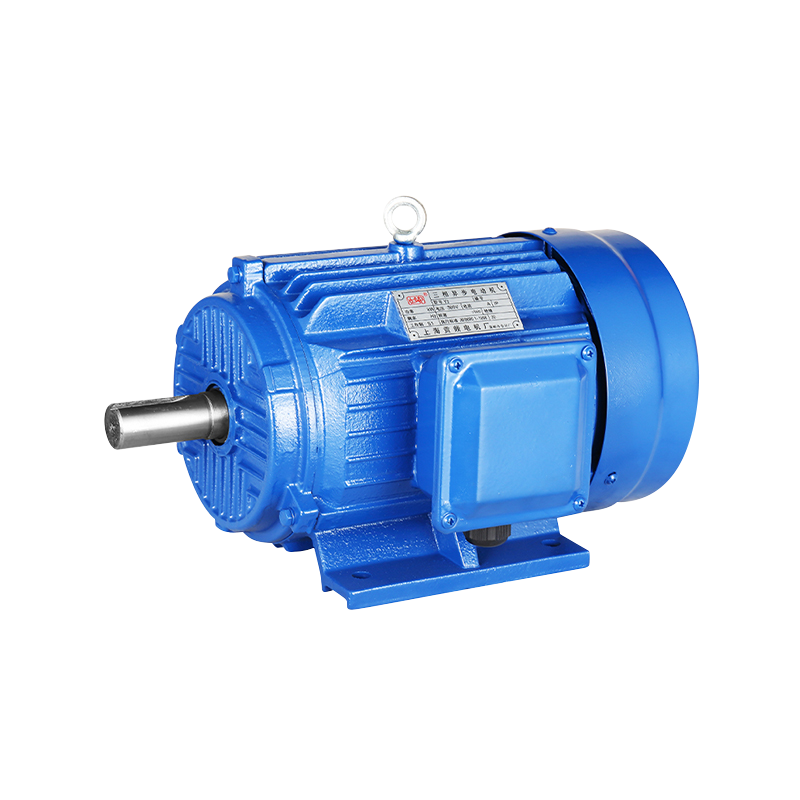
Why Fixed-Speed Motors Are No Longer the Preferred Choice
Many industrial systems rarely operate at full capacity throughout the day. Traditional fixed-speed motors continue running at constant speed regardless of actual demand, which can result in unnecessary energy use and increased mechanical wear.
A frequency-controlled motor allows the output speed to match changing process requirements. This makes it particularly suitable for applications where flow, pressure, or conveyor speed varies throughout production. Common search terms such as variable speed industrial motor, VFD compatible three-phase motor, and energy-saving asynchronous motor reflect this growing demand among industrial buyers.
Better Speed Control Supports More Stable Production
Modern manufacturing increasingly depends on accurate speed regulation. Even small fluctuations can affect product consistency or equipment synchronization.
A frequency-controlled motor helps operators maintain smoother acceleration and deceleration, reducing sudden mechanical shocks during startup and stopping cycles. This contributes to improved operational stability in industries including food processing, packaging, textiles, HVAC systems, and material handling.
For equipment manufacturers, this also means easier integration with programmable control systems and automated production lines.
What Engineers Evaluate Before Purchasing
When comparing motor suppliers, technical teams generally focus on several practical considerations rather than marketing claims.
Typical evaluation points include:
- Compatibility with mainstream variable frequency drives
- Stable operation across a wide speed adjustment range
- Insulation systems suitable for inverter duty
- Cooling performance during low-speed operation
- Protection class appropriate for the working environment
- Mounting dimensions compatible with existing equipment
These factors often determine whether the motor can be installed without major modifications.
Thermal Management Has Become a Key Selection Factor
One common concern with variable-speed operation is heat generation during prolonged low-speed running. Without effective cooling, excessive temperature rise may shorten insulation life and reduce bearing reliability.
As a manufacturer, we optimize motor housing structure, ventilation design, and winding configuration to improve heat dissipation under varying operating conditions. Careful manufacturing and quality inspection also help ensure consistent rotor balance, contributing to lower vibration and smoother operation during continuous service.
These design considerations have become increasingly important as industrial users extend operating hours and adopt predictive maintenance strategies.
Choosing the Right Motor for Different Applications
Not every production process requires the same motor configuration. Selecting the correct solution depends on both operating conditions and control requirements.
Typical applications include:
- Centrifugal pumps with changing flow demand
- Ventilation and HVAC systems requiring adjustable airflow
- Conveyor systems with variable production speeds
- Compressors operating under fluctuating loads
- Industrial mixers and processing equipment
- Automated manufacturing lines using PLC-based control systems
Matching the motor to the actual application helps improve equipment efficiency while simplifying future maintenance.
Why Manufacturers Matter Beyond Product Specifications
Industrial buyers increasingly expect technical support throughout the purchasing process. In addition to supplying motors, manufacturers are often asked to provide application recommendations, dimensional drawings, wiring guidance, inspection documentation, and OEM customization for different equipment platforms.
Our engineering team works closely with equipment manufacturers, distributors, and project contractors to understand installation requirements before production begins. This collaborative approach helps reduce integration challenges and supports smoother commissioning after delivery.
As industries continue adopting smart manufacturing and variable-speed automation, the demand for a reliable Three-Phase Frequency Controlled Asynchronous Motor will continue to grow. Buyers are looking for products that combine dependable VFD compatibility, stable thermal performance, flexible installation options, and consistent manufacturing quality, making the right manufacturing partner just as important as selecting the motor itself.

-
Feedback


Copyright © Zhejiang Gongpin Electromechanical Technology Co., Ltd. All Rights Reserved.
Small Medium Motors Mechanical Equipment Suppliers
