
 English
 中文简体
中文简体 Author: Admin Date: 2026-06-26
Why Are Workshops Rethinking Traditional Punching Methods in Modern Metal Fabrication?
In today’s sheet metal processing industry, workshops are facing increasing pressure to improve efficiency, reduce material waste, and maintain consistent product quality across smaller and more customized orders. This shift is pushing many manufacturers to reassess their existing punching equipment and upgrade to more practical and flexible solutions. Among these, the Counting Punch Press is gaining attention for its ability to support controlled, repeatable operations in compact workshop environments.
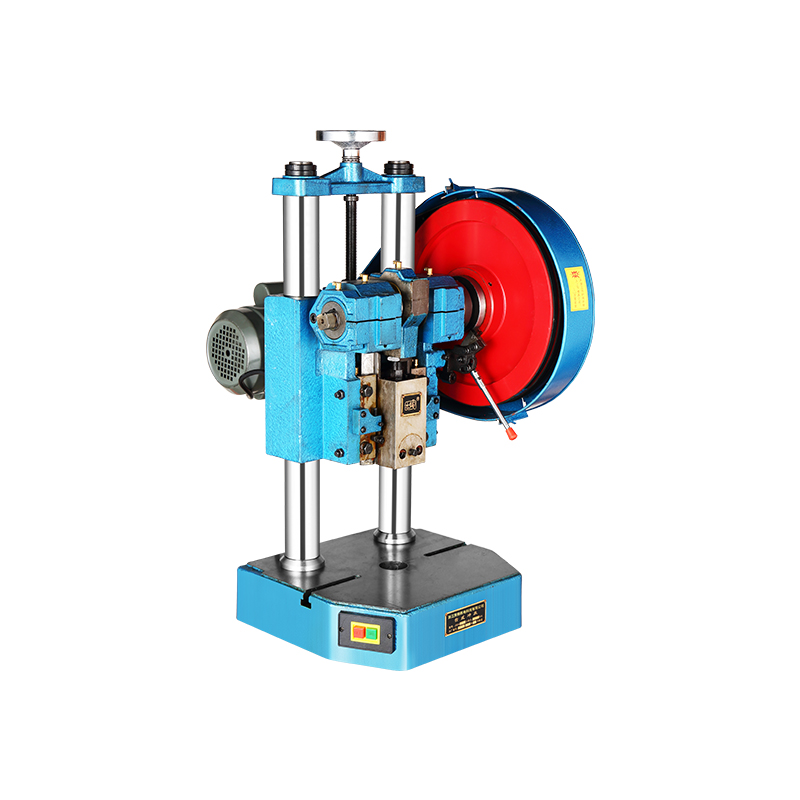
Recent buyer behavior in global procurement shows a clear trend: engineers are no longer focused only on machine power, but on accuracy stability, ease of operation, and long-term usability in real workshop conditions.
Why Is Order Customization Changing Equipment Requirements?
Manufacturing orders are becoming more fragmented, with clients requesting shorter production runs and more product variations. This creates challenges for traditional production setups that are optimized for mass production.
Workshops are now prioritizing:
- Fast switching between different product specifications
- Reduced setup time for new jobs
- Stable accuracy in repeated punching operations
- Flexibility for mixed material thickness
This trend is especially strong in electrical cabinets, ventilation systems, and metal housing production.
How Does Operator Efficiency Impact Overall Production?
In many workshops, productivity is no longer limited by machine speed, but by operator efficiency. Fatigue, inconsistent handling, and manual tracking errors can directly affect output quality.
As a result, procurement teams are focusing on:
- Ease of operation during repetitive tasks
- Reduced physical strain for operators
- Stable output across different skill levels
- Clear and simple workflow design
This has increased demand for machines that support more intuitive and user-friendly operation.
Why Is Manual Equipment Still Widely Used in Industrial Workshops?
Even with automation expansion, manual punching systems remain widely used due to their simplicity and adaptability. Many workshops prefer equipment that can be quickly deployed without complex programming or setup.
Key advantages include:
- Low maintenance requirements
- Quick adjustment for different tasks
- High flexibility in small-batch production
- Reliable performance in non-automated environments
These benefits make manual systems a practical choice for repair workshops and prototype production lines.
How Does Counting Function Improve Production Control?
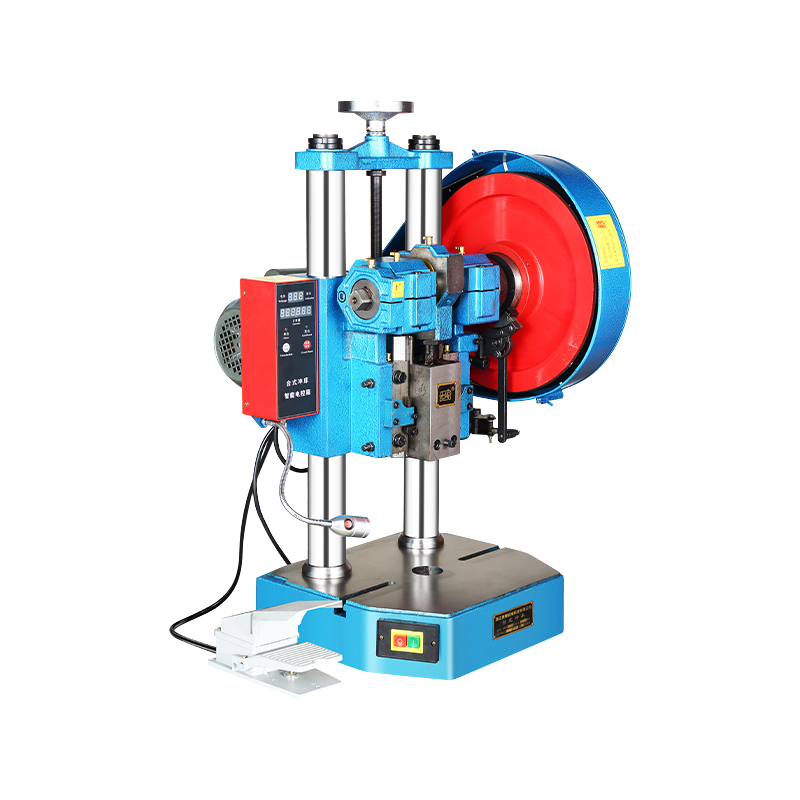
One important development in modern punching equipment is the integration of counting functionality. While simple in structure, it provides significant value in production tracking and workflow management.
It helps workshops:
- Monitor output quantity accurately
- Reduce manual counting errors
- Improve production planning consistency
- Support multi-operator coordination
This is especially useful in environments where production reporting is required for quality control or delivery scheduling.
Why Is Maintenance Simplicity a Key Buying Factor?
Maintenance cost and downtime are becoming critical concerns for workshop operators. Machines that are easier to maintain tend to offer better long-term value, even if their initial cost is similar.
Key considerations include:
- Durability of mechanical components
- Ease of adjustment and calibration
- Availability of replacement parts
- Stability during long-term operation
From a practical standpoint, simpler mechanical structures often result in fewer unexpected breakdowns.
Manufacturer Insight: Demand for Practical and Flexible Equipment
As a mechanical equipment manufacturer, we observe increasing demand for machines that combine stability with operational flexibility. Customers are looking for solutions that can adapt to different production environments without sacrificing accuracy.
Common requirements include:
- Adjustable punching settings for different sheet materials
- Compact structure for limited workshop space
- Consistent performance under continuous use
- Improved precision for small and medium parts
This reflects a broader shift toward practical manufacturing tools rather than overly complex systems.
Is Practical Efficiency Becoming the Core of Modern Punching Work?
As global fabrication industries continue evolving, workshops are prioritizing equipment that improves real-world productivity rather than just technical specifications. The focus has moved toward flexibility, ease of use, and consistent performance across diverse production needs.
In this environment, demand continues to grow for reliable workshop solutions such as Manual Punch Press, especially in applications where simplicity, accuracy, and operational efficiency directly impact daily production success.

-
Feedback


Copyright © Zhejiang Gongpin Electromechanical Technology Co., Ltd. All Rights Reserved.
Small Medium Motors Mechanical Equipment Suppliers
