
 English
 中文简体
中文简体 Author: Admin Date: 2026-06-19
Can Compact Workshop Machines Improve Accuracy and Productivity in Modern Sheet Metal Fabrication?
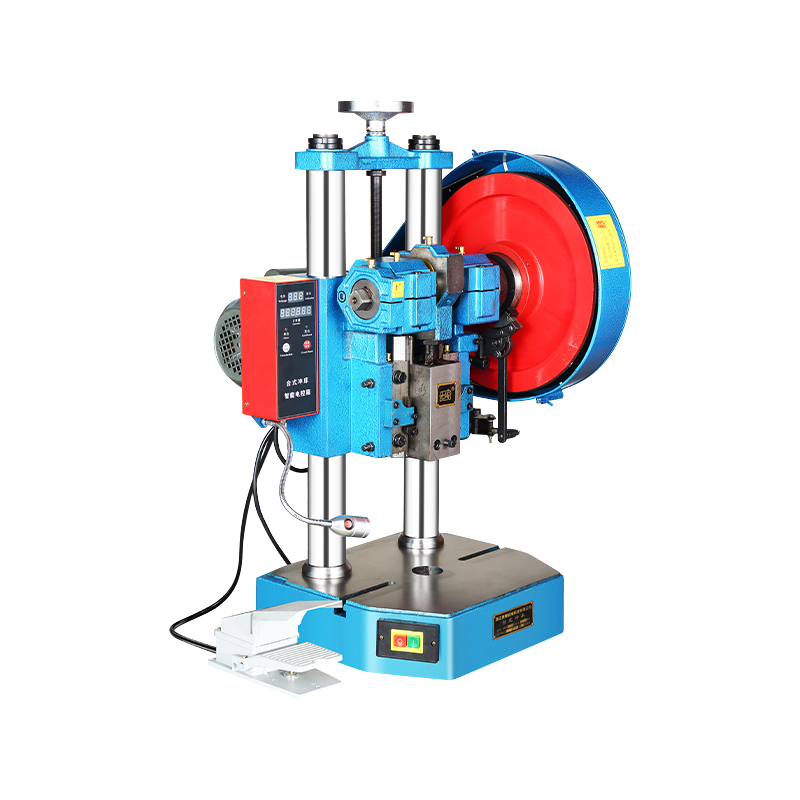
Across global sheet metal fabrication, electrical enclosure manufacturing, and maintenance workshops, the demand for compact, efficient, and easy-to-operate machinery is steadily increasing. Instead of relying solely on large automated production lines, many buyers are shifting toward flexible workshop equipment that supports small-batch production, quick adjustments, and consistent output quality. One of the key machines gaining attention in this trend is the Counting Punch Press, especially in production environments where repeatability and simple production tracking are essential.
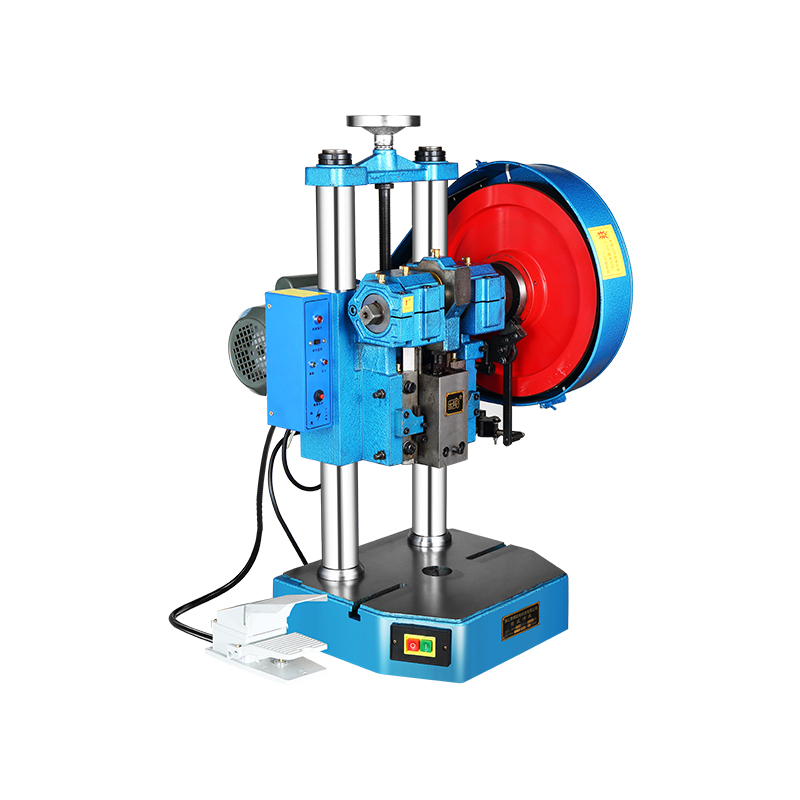
Recent procurement discussions show that engineers and factory owners are focusing more on accuracy stability, operator efficiency, and long-term maintenance costs when selecting punching equipment.
Why Are Small and Medium Workshops Upgrading Their Equipment?
Many workshops are facing increased pressure from diversified order requirements and shorter delivery cycles. This has led to a need for equipment that can handle frequent job changes without complex setup procedures.
Buyers are now prioritizing:
- Faster adjustment between different sheet metal specifications
- Stable performance in small-batch production
- Reduced setup time between tasks
- Consistent hole positioning accuracy
This is especially important in HVAC components, electrical cabinets, and custom metal fabrication projects.
How Is Production Consistency Affecting Purchasing Decisions?
In modern fabrication environments, consistency is more valuable than raw speed. Even small deviations in punching position can advance to assembly issues or product rejection.
Procurement teams are increasingly evaluating:
- Repetition accuracy over long production runs
- Material deformation control during punching
- Stability under different operator conditions
- Output uniformity across shifts
This shift reflects a broader move toward quality-driven manufacturing rather than volume-only production.
Why Are Manual Systems Still Relevant in Modern Factories?
Despite the rise of automation, manual and semi-manual machines continue to play an important role in many workshops. They offer flexibility that fully automated systems often cannot provide for low-volume or customized production.
Key advantages include:
- Simple structure with low maintenance requirements
- Quick deployment for short production cycles
- Easy operation without complex programming
- Adaptability to different workshop layouts
This makes them particularly suitable for repair workshops and prototype manufacturing environments.
How Does Counting Function Improve Workshop Management?
One increasingly important feature in punching equipment is cycle counting functionality. While simple in design, it provides valuable support for production monitoring and operator management.
It helps workshops:
- Track production quantity in real time
- Reduce manual counting errors
- Improve job allocation accuracy
- Maintain consistent output reporting
This feature is especially useful in multi-operator environments where production tracking is essential for quality control.
What Role Does Maintenance Cost Play in Equipment Selection?
Maintenance efficiency has become a major factor in procurement decisions. Buyers are increasingly aware that downtime and repair costs can significantly affect overall production efficiency.
Common evaluation points include:
- Durability of mechanical transmission components
- Ease of calibration and adjustment
- Availability of spare parts
- Long-term operational stability
Machines with simpler mechanical structures are often preferred for reducing unplanned downtime.
Manufacturer Insight: Why Flexibility Matters More Than Ever
From a manufacturing perspective, demand is shifting toward flexible machines that can support different production scenarios without major modification. Many customers operate hybrid production models combining manual and semi-automated processes.
Typical requirements include:
- Adjustable punching force for different sheet thicknesses
- Compact design suitable for limited workshop space
- Reliable performance under continuous daily use
- Improved accuracy for small and medium metal parts
This reflects a broader industry trend toward adaptable and practical production tools rather than highly specialized single-function systems.
Are Compact Machines the Future of Flexible Manufacturing?
As global fabrication industries continue to evolve, the focus is shifting toward equipment that balances precision, simplicity, and operational flexibility. Instead of choosing between automation and manual systems, many workshops are now seeking a balanced approach that supports real-world production needs.
In this context, demand continues to grow for practical and stable solutions such as Manual Punch Press, especially in applications where accuracy, flexibility, and cost-efficient operation are equally important.

-
Feedback


Copyright © Zhejiang Gongpin Electromechanical Technology Co., Ltd. All Rights Reserved.
Small Medium Motors Mechanical Equipment Suppliers
