
 English
 中文简体
中文简体 Author: Admin Date: 2026-06-12
Is Smarter Punching Technology Making Sheet Metal Production More Efficient?
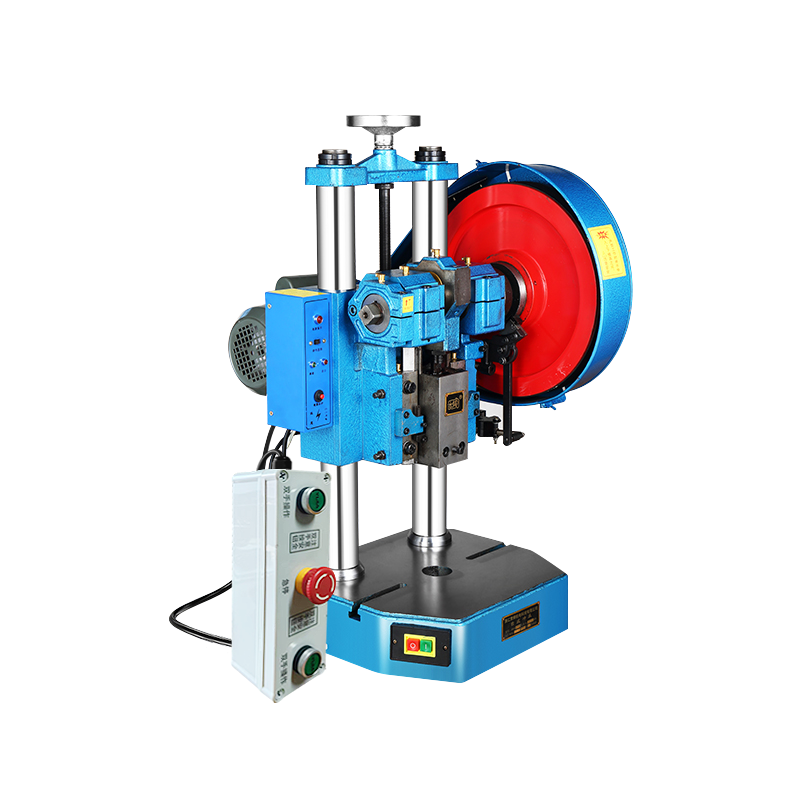
In global metal fabrication, electrical cabinet production, and light industrial workshops, manufacturers are increasingly focused on improving punching accuracy while keeping equipment simple and cost-effective. Instead of relying only on large automated systems, many buyers are turning to flexible workshop solutions that balance precision and operational control. One of the frequently discussed tools in procurement searches is the Counting Punch Press, especially in environments where repeatable hole positioning and output tracking are required.
Why Are Workshops Focusing More on Precision Control?
Modern fabrication orders are becoming more customized, with smaller batch sizes and higher variation in sheet metal parts. This makes accuracy more important than ever.
Buyers are now prioritizing:
- Stable punching alignment across repeated operations
- Reduced material waste during processing
- Consistent output quality in mixed production runs
- Easy adjustment for different sheet thicknesses
These needs are especially common in HVAC panels, control boxes, and general metal enclosure manufacturing.
How Is Labor Efficiency Changing Equipment Choices?
Rising labor costs are pushing factories to reduce manual workload while maintaining output stability. Instead of expanding workforce size, many workshops are upgrading equipment to improve operator efficiency.
Key evaluation points include:
- Ease of operation for different skill levels
- Reduced physical strain during repetitive punching
- Stable output across multiple shifts
- Lower training requirements for new operators
Why Do Manual Systems Still Remain Widely Used?
Despite automation growth, manual punching equipment continues to be widely used due to its flexibility and low maintenance needs. It remains especially popular in repair work, prototyping, and small-batch production.
Advantages include:
- Simple structure and easy maintenance
- Fast setup for short production tasks
- High adaptability in different workshop environments
- Lower dependency on electrical systems
How Does Counting Function Improve Workshop Efficiency?
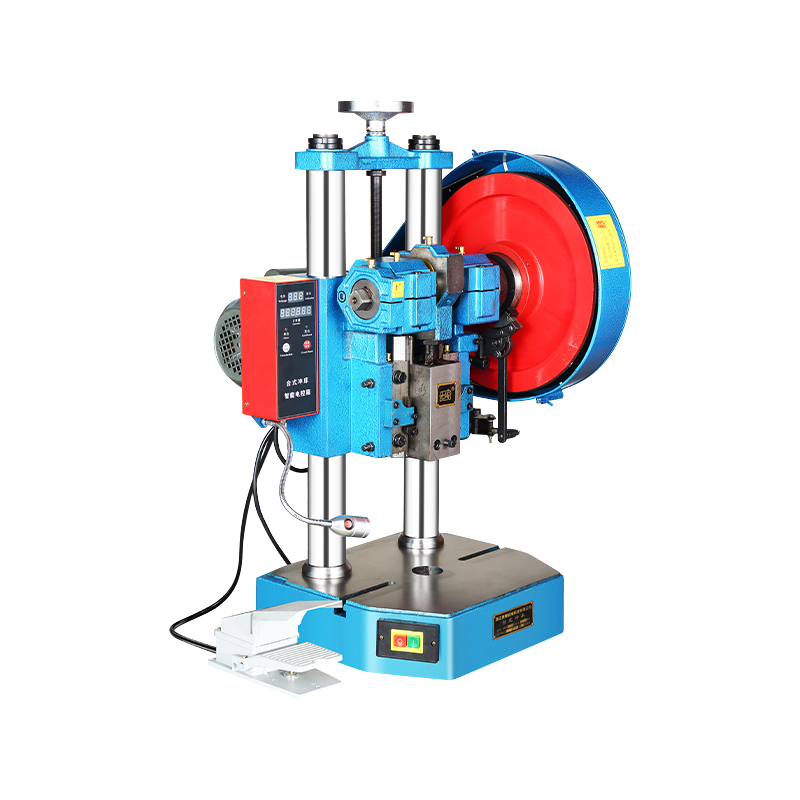
One key improvement in modern punching equipment is the integration of counting functionality, which helps operators better manage production cycles.
It allows users to:
- Track punching cycles accurately
- Reduce manual recording errors
- Improve production consistency
- Support basic output management in workshops
Why Is Maintenance Simplicity Important for Buyers?
Industrial buyers are increasingly focused on long-term operating costs rather than just initial purchase price. Machines that are easier to maintain are often preferred in daily workshop use.
Common concerns include:
- Wear resistance of mechanical parts
- Ease of adjustment and calibration
- Spare part availability
- Long-term stability under frequent use
Manufacturer Insight: Demand for Flexible Workshop Equipment
From a manufacturing perspective, demand is growing for machines that can adapt to different production scenarios without complex setup. Many customers operate mixed workflows where both manual and semi-automated processes are used.
Typical requirements include:
- Adjustable punching force for different materials
- Compact structure for limited workshop space
- Stable performance in continuous use
- Improved precision for small and medium sheet parts
Is Practical Efficiency Driving Punching Equipment Demand?
As global fabrication industries continue to balance cost control with production precision, buyers are focusing more on practical and reliable equipment solutions. The goal is no longer just automation, but efficient and flexible production support.
In this environment, demand continues to grow for stable workshop solutions such as Manual Punch Press, especially in applications where simplicity, accuracy, and operational efficiency are equally important.

-
Feedback


Copyright © Zhejiang Gongpin Electromechanical Technology Co., Ltd. All Rights Reserved.
Small Medium Motors Mechanical Equipment Suppliers
