
 English
 中文简体
中文简体 Author: Admin Date: 2026-05-22
Why Are Smart Manufacturing Upgrades Becoming Essential for Modern Industrial Factories?
Global manufacturing industries are changing rapidly as factories face rising labor costs, stricter delivery schedules, and increasing pressure to improve production efficiency. From appliance manufacturing to ventilation equipment and hardware processing, buyers are no longer satisfied with basic production capability alone. Today’s industrial market requires stable quality, automated production management, and energy-efficient operation at the same time.
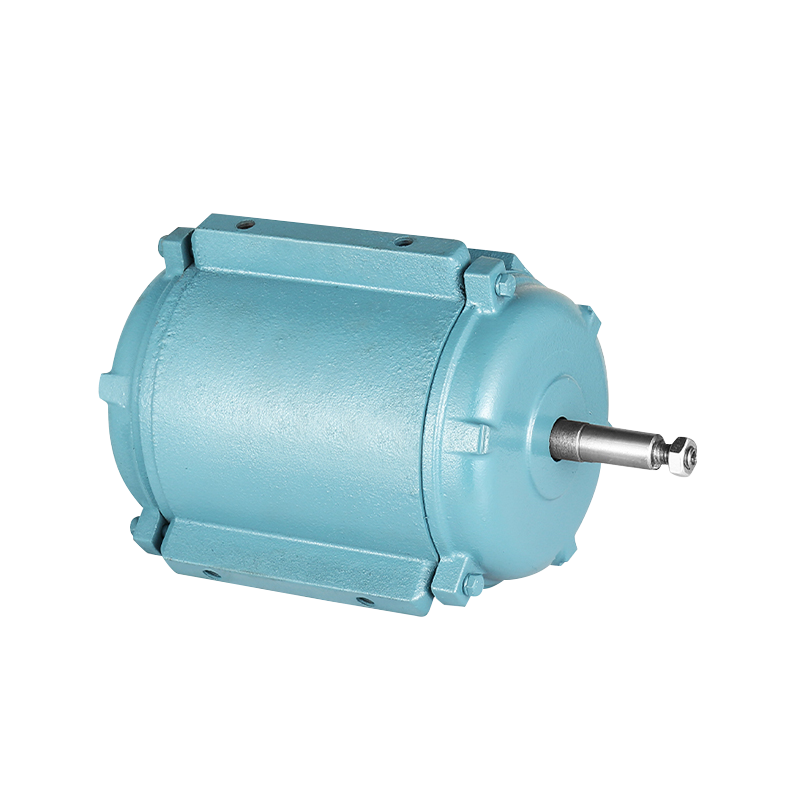
As factories move toward digital production systems and intelligent manufacturing environments, traditional machinery is gradually struggling to meet modern operational requirements. This shift is accelerating demand for more automated stamping equipment and high-efficiency motor solutions across global industrial sectors.
Traditional Production Systems Are Facing New Challenges
Older manufacturing equipment was primarily designed for long-term mass production with limited flexibility. However, modern factories often need to handle multiple product models, shorter production cycles, and faster delivery expectations.
Many manufacturers now encounter operational problems such as:
- Manual counting inaccuracies during high-speed production
- Increased labor costs for repetitive tasks
- Equipment downtime caused by aging mechanical systems
- Higher energy consumption during continuous operation
- Limited compatibility with automated factory systems
These issues can reduce productivity and make it more difficult for factories to remain competitive in international markets.
Automated Counting Technology Improves Production Efficiency
As production lines become faster and more integrated, automated monitoring systems are becoming increasingly important. Intelligent counting functions help manufacturers improve output tracking while reducing dependence on manual inspection procedures.
Compared with traditional production equipment, modern automated stamping systems offer several practical advantages:
- More accurate production quantity monitoring
- Better production management visibility
- Reduced manual labor involvement
- Improved consistency during continuous operation
- Faster response to production abnormalities
For factories producing electrical parts, metal accessories, and industrial components, these improvements help reduce operational errors while supporting more efficient workflow management.
Energy-Efficient Motors Are Gaining More Attention
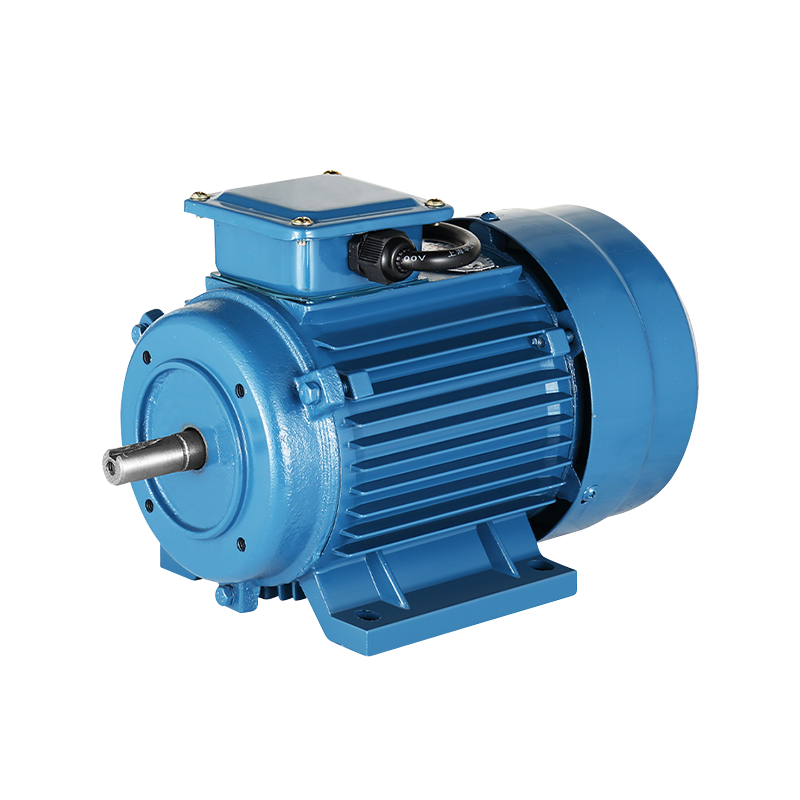
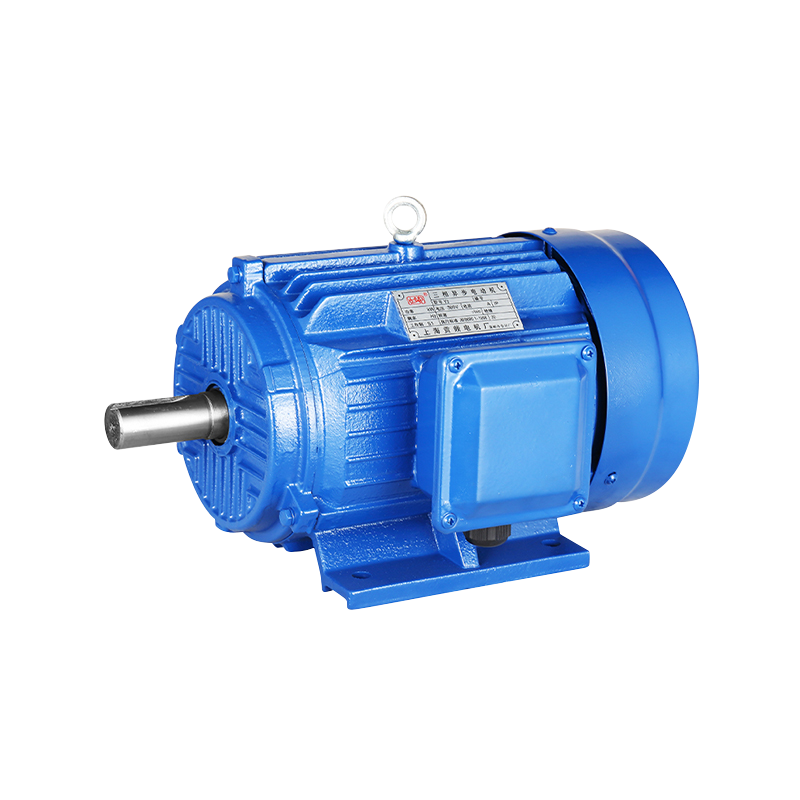
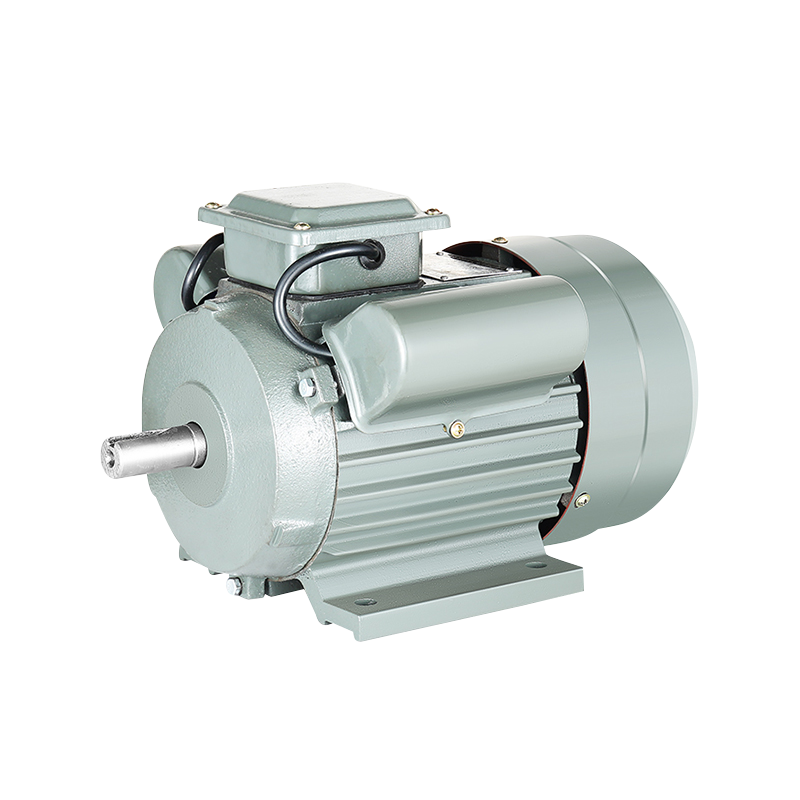
Industrial motors remain one of the largest sources of electricity consumption in many manufacturing facilities. As global energy costs continue rising, factories are increasingly upgrading to more efficient motor systems designed for stable long-term operation.
Modern industrial motor solutions commonly focus on:
- Lower power consumption
- Stable operating speed
- Reduced vibration and noise
- Better compatibility with automated systems
- Longer operational durability
These features are especially important in ventilation systems, HVAC equipment, and industrial cooling applications where motors often operate continuously for extended periods.
Smart Factories Require More Flexible Equipment
Industry 4.0 and smart manufacturing trends are changing how factories select industrial equipment. Production managers now prefer machinery that can integrate more easily with digital monitoring systems and automated workflow management.
Modern manufacturing equipment increasingly supports:
- Real-time production data tracking
- Automated operational monitoring
- Faster maintenance management
- Flexible production scheduling
- Improved production traceability
Traditional standalone machinery often cannot fully support these requirements, which is driving more factories toward equipment upgrades.
Overseas Buyers Are Paying Closer Attention to Manufacturing Capability
International buyers today are focusing not only on pricing, but also on supplier stability and engineering capability. Reliable manufacturers typically invest heavily in precision machining, automated assembly systems, and strict quality control procedures.
Professional production management generally includes:
- Continuous operational testing
- Precision component inspection
- Motor performance evaluation
- Production consistency verification
- Final assembly quality checks
Stable manufacturing capability helps overseas buyers reduce maintenance risks and improve long-term supply chain reliability.
Future Trends in Industrial Manufacturing
The industrial equipment sector is moving toward automation, intelligent monitoring, and energy-efficient production systems. Factories increasingly require equipment that combines operational stability with flexible manufacturing capability.
As smart factories continue expanding worldwide, manufacturers are expected to invest more heavily in connected production systems, efficient motor technologies, and automated management equipment.
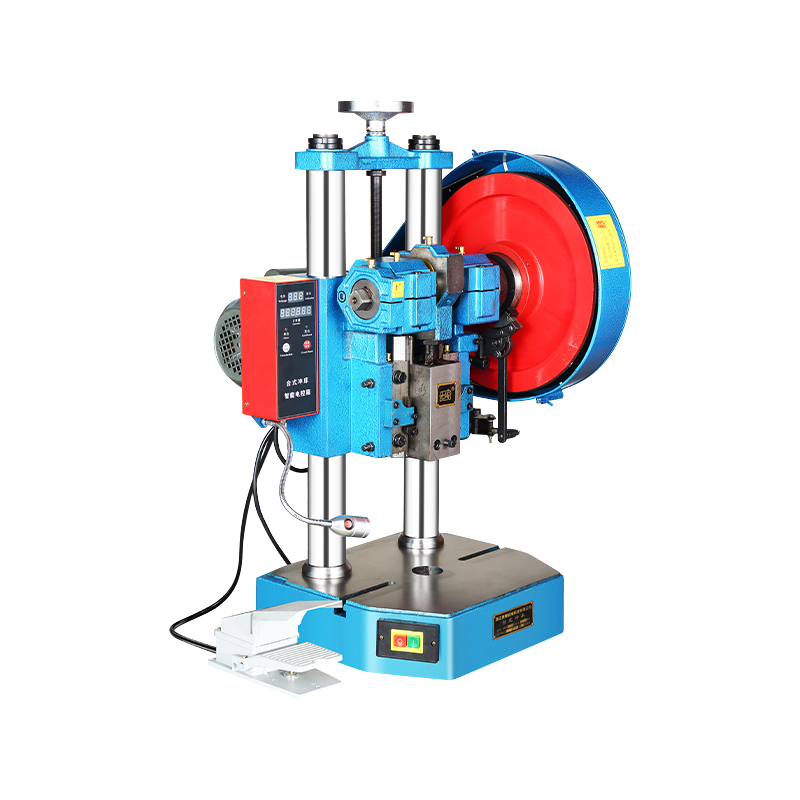
In conclusion, modern industrial production environments require smarter and more adaptable manufacturing solutions than ever before. As global factories continue upgrading toward automation and energy-efficient operation, reliable Fan Compatible Motor systems and advanced Counting Punch Press equipment are expected to remain important components in future industrial manufacturing development.

-
Feedback


Copyright © Zhejiang Gongpin Electromechanical Technology Co., Ltd. All Rights Reserved.
Small Medium Motors Mechanical Equipment Suppliers
