
 English
 中文简体
中文简体 Author: Admin Date: 2026-05-15
Why Are Smart Manufacturing Upgrades Reshaping the Future of Industrial Motors and Precision Stamping Equipment?
Global manufacturing is entering a new phase driven by automation, energy efficiency, and intelligent production management. Across industrial sectors such as home appliances, HVAC systems, metal processing, and smart equipment manufacturing, buyers are no longer focused only on production capacity. Today’s factories require stable output quality, lower operating costs, and equipment capable of integrating into modern smart manufacturing environments. As industrial competition intensifies, traditional production systems are struggling to meet the growing demand for precision, traceability, and flexible manufacturing.
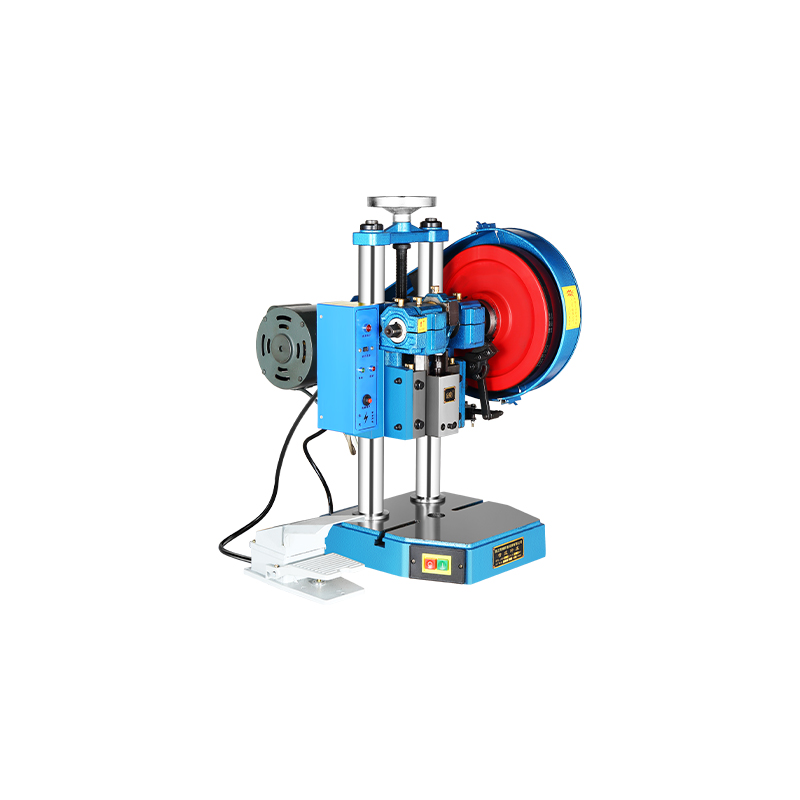
Manufacturers upgrading production lines are increasingly prioritizing automated stamping equipment and high-efficiency motor systems designed for long-term industrial operation.
Traditional Production Equipment Is Facing New Industrial Challenges
Conventional stamping systems and older motor technologies often create operational bottlenecks in modern factories. Manual counting procedures, unstable production accuracy, and higher maintenance frequency can affect both production efficiency and product consistency.
Common industry pain points include:
- Inconsistent production counting during high-speed operations
- Higher energy consumption from older motor systems
- Increased downtime caused by mechanical wear
- Limited compatibility with automated production lines
- Difficulty meeting modern smart factory integration requirements
As industrial automation adoption accelerates globally, manufacturers are under growing pressure to modernize production equipment. Recent manufacturing reports show increasing investment in smart factories, predictive maintenance systems, and connected industrial machinery.
Precision Automation Is Becoming a Competitive Advantage
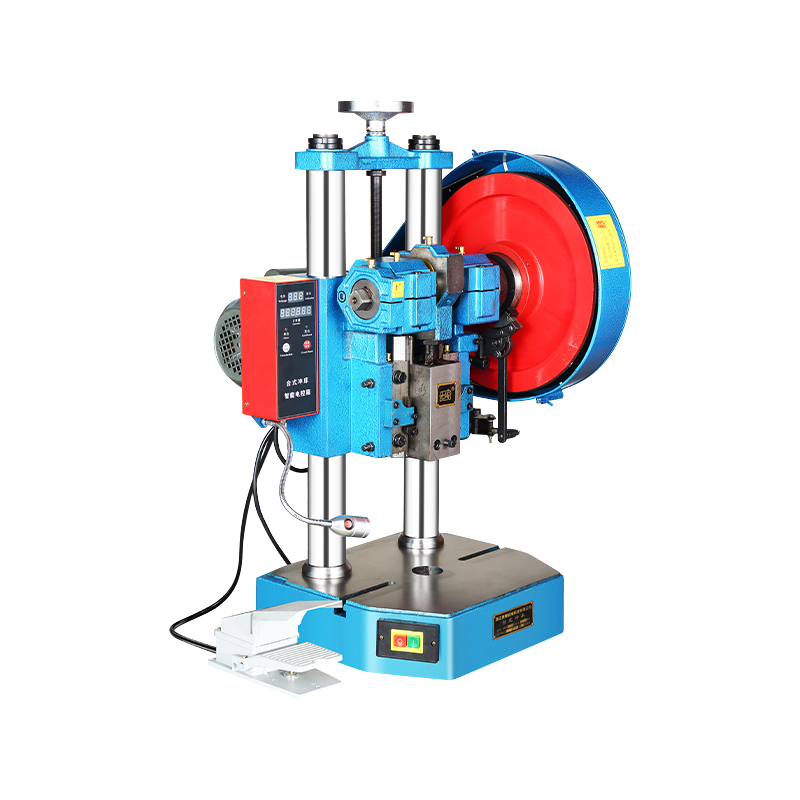
Modern stamping equipment is evolving from simple mechanical operation toward intelligent and automated production management. Counting-enabled punch press systems help manufacturers improve production visibility while reducing manual inspection workloads.
Advanced automated stamping systems commonly provide:
- More accurate production counting and monitoring
- Better consistency during continuous operation
- Reduced labor dependency in repetitive manufacturing tasks
- Easier integration with automated production lines
- Improved production management efficiency
For factories producing electrical components, metal accessories, and industrial hardware, automated counting functions help improve inventory management and reduce production errors.
Energy-Efficient Motor Technology Is Driving Industrial Upgrades
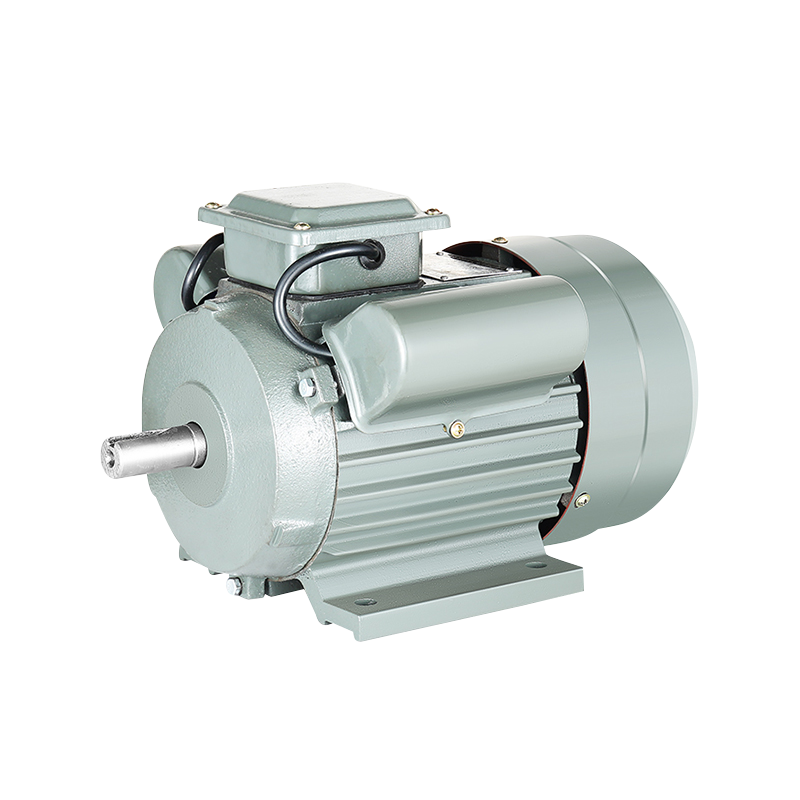
Industrial motors remain one of the largest sources of factory energy consumption worldwide. As energy costs continue rising, manufacturers are increasingly replacing older motors with more efficient and automation-compatible systems. Industry research shows strong growth in smart motor adoption, especially in applications requiring stable airflow control, automated production systems, and industrial ventilation equipment.
Modern industrial motor systems increasingly focus on:
- Lower energy consumption during continuous operation
- Stable speed regulation performance
- Reduced vibration and operational noise
- Improved compatibility with automation systems
- Longer operational lifespan under industrial workloads
These improvements are particularly valuable for HVAC systems, industrial cooling equipment, and intelligent ventilation applications.
Why Smart Factories Require Smarter Equipment
Industry 4.0 is transforming factory management across global manufacturing sectors. Modern production environments increasingly rely on connected systems capable of real-time monitoring and predictive maintenance.
Manufacturers now expect production equipment to support:
- Digital production tracking
- Automated quality inspection
- Remote operational monitoring
- Predictive maintenance analysis
- Flexible small-batch manufacturing capability
Traditional standalone machinery often struggles to adapt to these requirements, which is accelerating demand for more intelligent production equipment.
Manufacturing Capability and Product Stability Matter More Than Ever
Overseas buyers are paying closer attention to supplier reliability, engineering capability, and long-term production consistency. Professional manufacturers increasingly invest in precision machining equipment, automated assembly systems, and strict quality management procedures to improve product stability.
Reliable production management generally includes:
- Precision component processing
- Continuous durability testing
- Operational load simulation
- Motor efficiency evaluation
- Final assembly inspection and performance testing
Stable manufacturing capability helps buyers reduce maintenance risks and improve long-term operational reliability.
Future Trends in Industrial Manufacturing Equipment
The future of industrial manufacturing will continue moving toward automation, intelligent monitoring, and energy-efficient operation. AI-assisted production systems, predictive maintenance technology, and connected machinery are becoming increasingly important across modern factories.
As manufacturers seek higher productivity and lower operational costs, demand for efficient motor systems and automated stamping equipment is expected to continue growing across global industrial markets.
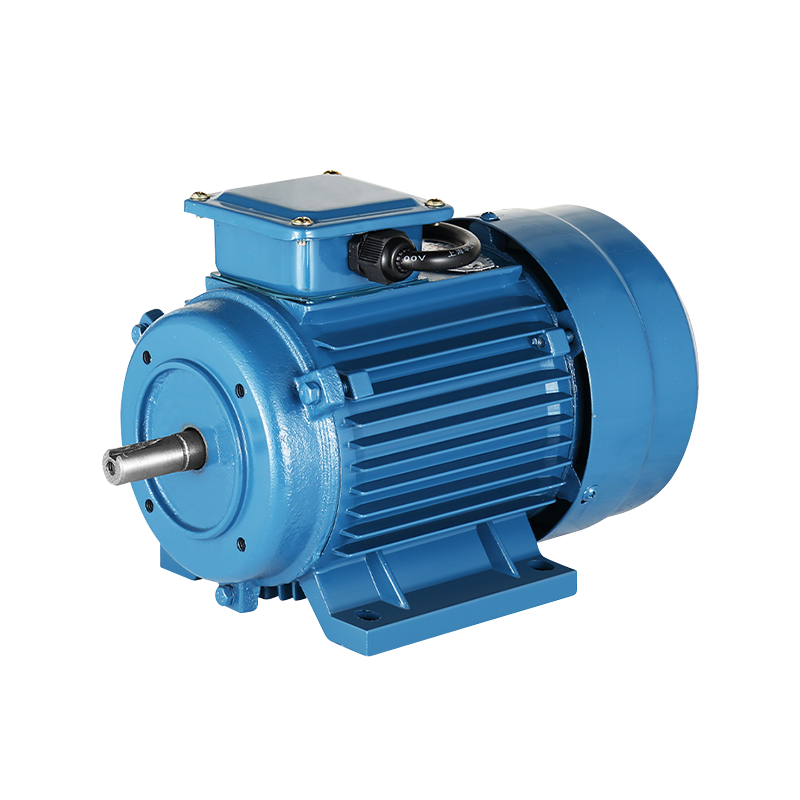
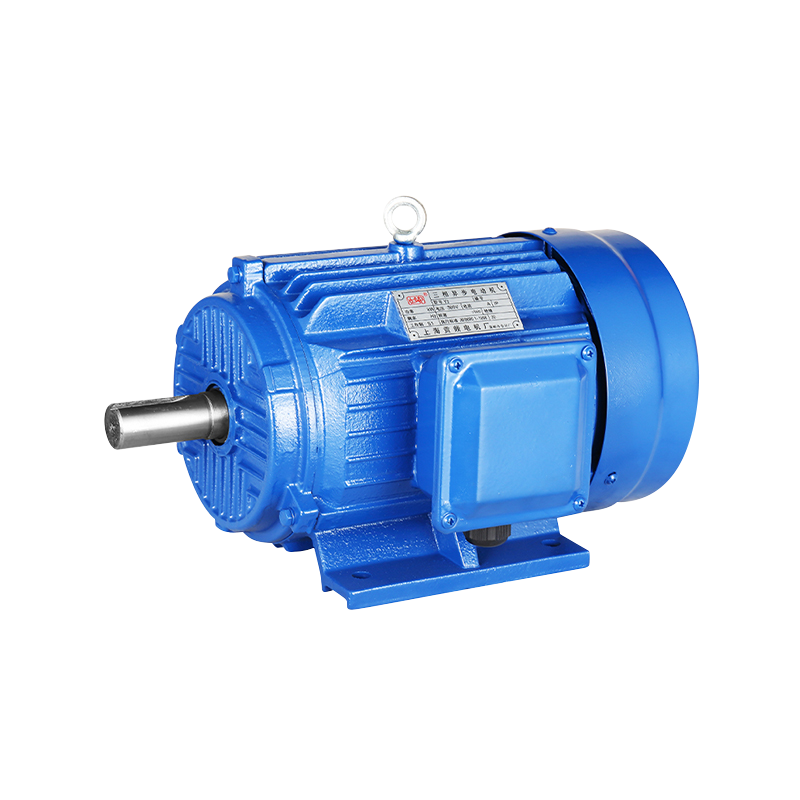
In conclusion, smart manufacturing upgrades are reshaping industrial production standards worldwide. As factories continue investing in automation, operational efficiency, and intelligent production management, reliable Fan Compatible Motor solutions and advanced Counting Punch Press systems are expected to remain essential technologies for modern industrial manufacturing environments.

-
Feedback


Copyright © Zhejiang Gongpin Electromechanical Technology Co., Ltd. All Rights Reserved.
Small Medium Motors Mechanical Equipment Suppliers
