
 English
 中文简体
Author: Admin Date: 2026-11-27
Why Do Metal Punching Results Become Inconsistent During Daily Operation?
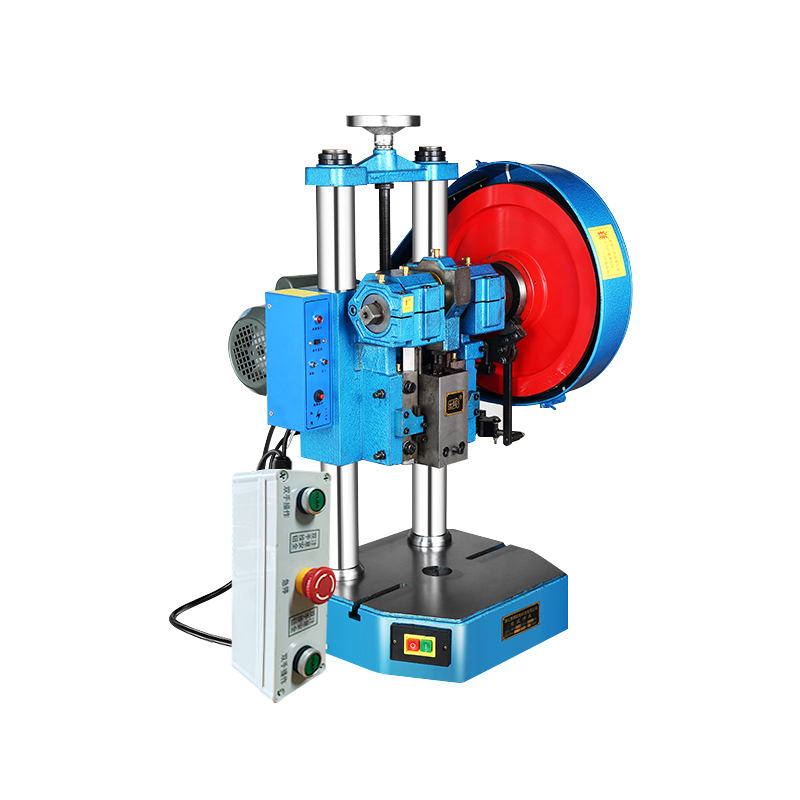
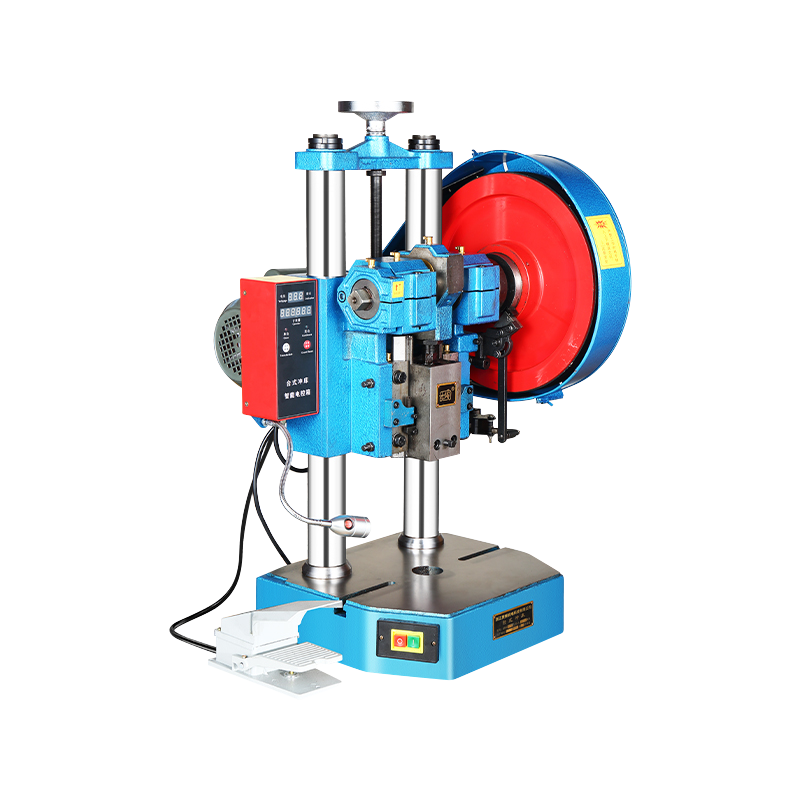
In metalworking workshops, punching quality can gradually change even when operators use the same machine and processing procedure. Some workpieces may have rough edges, others may show dimensional deviations, and certain holes may not have a clean finish. These problems can increase rework and interrupt production schedules. When using a Manual Punch Press, consistent results depend on several factors working together, including tooling condition, material properties, machine alignment, and operator technique. Understanding the causes of common punching defects helps buyers and workshop managers make better equipment and maintenance decisions.
Excessive Burrs Often Point to Tooling Problems
Burrs around punched holes are a common concern in sheet metal processing. They can result from worn cutting edges, unsuitable punch and die clearance, or incorrect tooling alignment.
As the punch and die continue to work, their cutting edges may gradually wear. If the clearance is not appropriate for the material and thickness, the punched edge may become rough or uneven.
Operators should inspect the tooling when burrs begin to increase rather than immediately changing the machine's operating method. Regrinding or replacing worn tooling, where appropriate, can help restore cutting performance. Buyers should also confirm that replacement punches and dies are available for the selected machine.
Incorrect Hole Dimensions Require Careful Checking
A hole that does not meet the required diameter may be caused by several factors. Tool wear, punch deformation, material springback, and measurement methods can all influence the final result.
Before adjusting the machine, operators should check the actual punch and die dimensions and confirm that the measuring equipment is suitable for the required tolerance. It is also important to compare results across several workpieces instead of relying on a single measurement.
For manufacturers, clear tooling specifications and inspection procedures help buyers identify whether a dimensional problem comes from the tooling, material, or processing setup.
Material Deformation Can Affect Finished Parts
Thin or poorly supported workpieces may bend or deform during punching. This can be especially troublesome when holes are positioned close to an edge or when the material has a relatively large unsupported area.
The material should be positioned securely before the punching operation. Depending on the workpiece geometry, additional support or a suitable locating fixture may help reduce unwanted movement.
Buyers should provide sample drawings or workpiece dimensions when discussing equipment selection. This gives the manufacturer a better understanding of the support and positioning requirements.
Tooling Alignment Should Not Be Overlooked
The punch and die need to remain properly aligned during operation. Misalignment can contribute to uneven cutting, accelerated tool wear, and inconsistent hole quality.
If unusual resistance, noise, or uneven cutting appears, operators should stop and inspect the tooling according to the machine's instructions. Continuing to operate with a suspected alignment problem may cause further damage.
During equipment evaluation, buyers can ask about tooling installation, alignment adjustment, and the inspection points recommended by the manufacturer.
Material Variations Can Change Punching Performance
Even when two batches have similar nominal thicknesses, differences in material strength, hardness, or surface condition may influence punching behavior.
This is why a machine should be selected according to the actual materials it will process. Buyers should avoid assuming that a capacity suitable for one material will automatically apply to every other material of the same thickness.
For more consistent production, workshops should record material specifications and review punching results when changing suppliers or material batches.
Regular Inspection Helps Prevent Repeat Defects
Waiting until a defect becomes obvious can advance to unnecessary downtime and additional material waste. A routine inspection process helps operators identify changes in tooling and machine condition earlier.
A practical checklist may include:
- Inspecting punch and die cutting edges
- Checking tooling alignment and fastening
- Looking for unusual movement or mechanical noise
- Confirming that workpieces are positioned correctly
- Reviewing hole dimensions and edge quality
- Following the manufacturer's lubrication and maintenance instructions
These checks should be adjusted to the machine design and frequency of use.
Equipment Selection Should Consider Quality Control
Consistent punching results do not depend on machine capacity alone. Tooling precision, structural stability, adjustment arrangements, and maintenance accessibility all influence how reliably a machine performs in daily work. As a Manual Punch Press manufacturer, understanding the materials, hole dimensions, and quality requirements of each application helps us evaluate the appropriate machine configuration. Overseas buyers should discuss common processing defects and expected tolerances before purchasing. Choosing a Manual Punch Press that matches the actual production task, together with suitable tooling and inspection procedures, can help workshops improve process consistency and reduce avoidable rework.

-
Feedback


Copyright © Zhejiang Gongpin Electromechanical Technology Co., Ltd. All Rights Reserved.
Small Medium Motors Mechanical Equipment Suppliers
