
 English
 中文简体
中文简体 Author: Admin Date: 2026-09-04
Why Does Fan Motor Compatibility Matter More in Modern HVAC Systems?
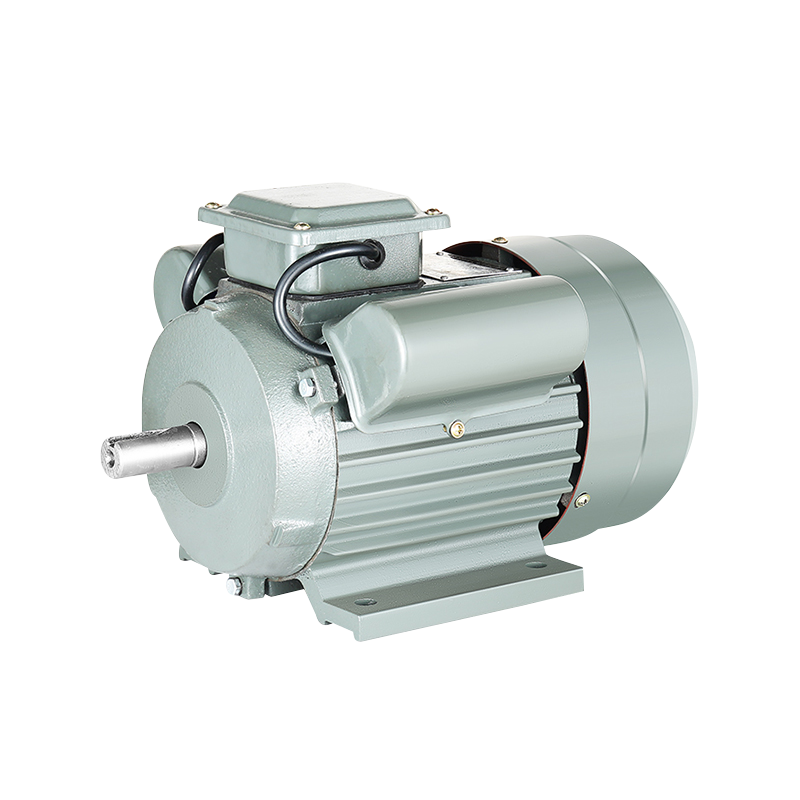
As HVAC and air-moving equipment moves toward higher efficiency and variable-speed operation, selecting a suitable Fan Compatible Motor is no longer simply a matter of matching voltage and mounting dimensions. Engineers and procurement teams increasingly need to consider airflow requirements, operating speed, control signals, installation space, and expected duty cycles. Recent industry discussions around EC motor adoption and HVAC retrofits also show growing interest in replacing conventional fan motors without redesigning the entire air-handling system.
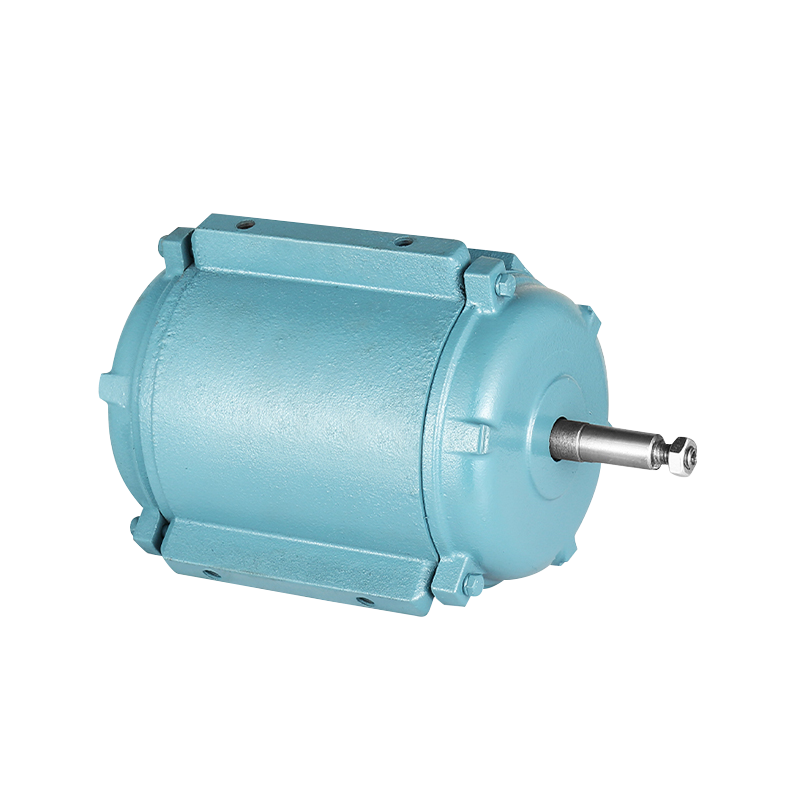
Compatibility Starts With the Actual Fan Load
A replacement motor should be selected according to the fan's working point rather than its nameplate alone. Airflow, static pressure, rotation direction, operating speed, shaft configuration, and available installation space all influence whether a motor will perform correctly.
For OEMs and replacement-part buyers, several details should be confirmed before ordering:
- Required airflow and static pressure
- Rated voltage and frequency
- Speed range and control method
- Shaft dimensions and mounting pattern
- Continuous or intermittent operating conditions
- Ambient temperature and installation environment
A motor that physically fits the equipment may still deliver unsuitable performance if its torque curve or speed range does not match the fan load.
Why Variable-Speed Operation Is Changing Motor Selection
Variable-speed control has become increasingly relevant in HVAC applications because fan demand is rarely constant. Current energy-efficiency programs continue to recognize ECM fan motors as an important efficiency measure, particularly for HVAC blower applications.
For example, an electronically commutated motor can adjust speed according to system demand instead of operating continuously at a fixed speed. This can improve airflow control while avoiding unnecessary motor operation when the system requires less capacity. The U.S. Department of Energy also notes that reducing fan speed can have a substantial effect on fan power consumption.
Retrofit Projects Need More Than a Direct Size Match
Replacing an existing fan motor can become complicated when the original equipment has limited installation space or uses a specific mounting arrangement. A suitable replacement therefore needs to combine mechanical compatibility with electrical and control compatibility.
For retrofit applications, engineers should check:
- Mechanical fit: mounting holes, shaft length, shaft diameter, and motor dimensions.
- Electrical requirements: voltage, frequency, current, and wiring configuration.
- Control interface: fixed-speed operation, multi-speed switching, PWM, or other speed-control requirements.
- Fan performance: whether the replacement motor can provide the required torque throughout the operating range.
This approach reduces the risk of installing a motor that fits physically but performs poorly once connected to the existing fan assembly.
Matching Motor Performance With Fan Characteristics
Fan systems are sensitive to changes in rotational speed. A motor with excessive speed capability may create unwanted airflow, noise, or mechanical loading, while insufficient torque can advice to unstable operation or difficulty starting under load.
For this reason, motor selection should begin with the fan curve and operating requirements. In variable-speed systems, the useful operating range is particularly important because the motor may need to maintain stable performance across multiple load conditions.
Recent engineering guidance also emphasizes comparing motors at the actual fan duty point instead of relying only on nameplate efficiency.
Manufacturing Flexibility Supports OEM Requirements
For motor manufacturers, compatibility often means more than supplying a standard model. OEM customers may require adjustments to shaft dimensions, mounting structures, wiring arrangements, speed characteristics, or control configurations.
A manufacturer with in-house engineering and production capabilities can evaluate these requirements before production and develop a motor configuration around the customer's fan assembly. This is particularly useful for air handlers, ventilation equipment, refrigeration systems, heat pumps, and other equipment where motor performance directly affects overall system behavior.
Choosing a Motor for Long-Term System Performance
Procurement teams should evaluate the complete operating environment rather than selecting a motor based only on purchase price. A suitable motor should provide dependable starting torque, stable operation, appropriate speed control, and compatibility with the existing fan structure.
For manufacturers and equipment integrators, the right Fan Compatible Motor can simplify OEM development, support retrofit projects, and help create more efficient fan systems. As variable-speed HVAC technology continues to develop, careful matching between the motor, fan, controls, and application will remain an important part of reliable equipment design.

-
Feedback


Copyright © Zhejiang Gongpin Electromechanical Technology Co., Ltd. All Rights Reserved.
Small Medium Motors Mechanical Equipment Suppliers
