
 English
 中文简体
中文简体 Author: Admin Date: 2026-09-11
What Causes Fan Motor Replacement Problems After Installation?
As HVAC systems become more dependent on efficient air movement and flexible operating speeds, choosing a suitable Fan Compatible Motor is only part of the replacement process. Engineers and maintenance teams may still encounter excessive noise, vibration, overheating, or insufficient airflow after installation. In many cases, the problem is not simply motor quality. Incorrect shaft alignment, fan-wheel balance, unsuitable speed settings, or a mismatch between motor output and system resistance can also affect performance. For equipment manufacturers and replacement-part buyers, understanding these factors helps reduce commissioning problems and supports more reliable fan operation.
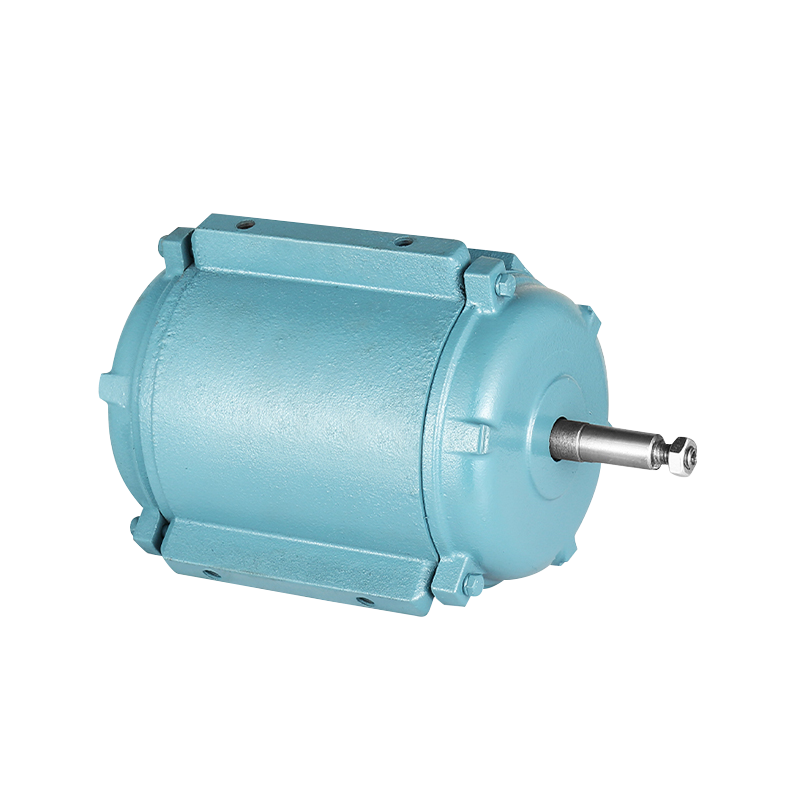
When a Correctly Sized Motor Still Performs Poorly
Motor horsepower and voltage are important, but they do not tell the whole story. A replacement motor can match the original nameplate specifications and still produce different system behavior if its speed characteristics, torque delivery, or control method are different.
For blower and air-handling applications, engineers should compare the motor with the actual fan load and operating point. Current HVAC guidance also recommends considering airflow, rotation, speed, temperature rating, and physical fit when selecting a replacement motor.
This is particularly important when upgrading an older fixed-speed motor to an ECM or other variable-speed design.
Why Shaft Alignment Deserves More Attention
Shaft alignment is one of the easiest installation details to overlook. If the motor shaft is not properly centered with the blower wheel, the rotating assembly may generate additional vibration and mechanical noise.
Before final tightening, installers should check:
- Shaft diameter and usable shaft length
- Blower-wheel position on the shaft
- Mounting bracket alignment
- Set-screw engagement
- Clearance between the rotating wheel and housing
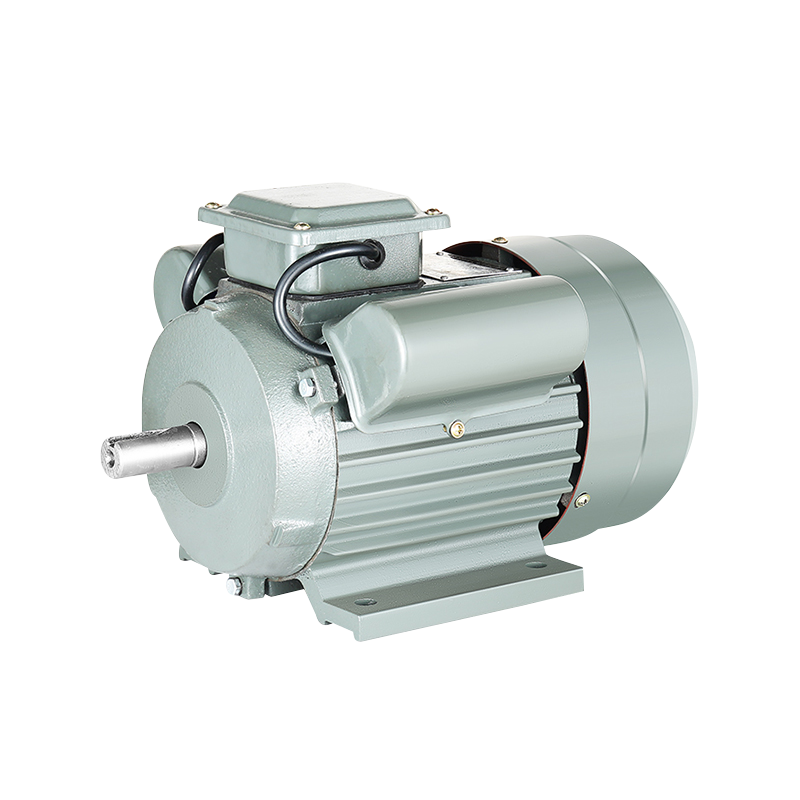
A suitable motor mounting structure should hold the motor securely without introducing unnecessary mechanical stress. Even a motor with appropriate electrical specifications can perform poorly if the mechanical installation is incorrect.
Fan Balance Can Change the Entire Operating Result
When a replacement motor is installed, the existing fan wheel should also be inspected. Dust accumulation, deformation, damaged blades, or uneven weight distribution can create vibration once the wheel reaches operating speed.
This matters because vibration is not necessarily an indication that the motor itself is defective. The motor, shaft, wheel, and mounting system operate as one rotating assembly.
For OEM manufacturers, checking the complete assembly during development can therefore be more useful than evaluating the motor separately. A properly matched motor should work with the fan structure rather than simply meet a standalone specification.
Speed Control Must Match the Equipment
Variable-speed motors offer greater flexibility, but the control method must be compatible with the HVAC system. ECM motors can adjust speed according to system demand, making them suitable for applications where airflow requirements change during operation.
However, replacing a conventional motor with an ECM model may require attention to the control interface. Depending on the equipment design, the system may use fixed-speed switching, low-voltage signals, PWM, or another control method.
For retrofit projects, engineers should therefore confirm the original motor type and control architecture before selecting the replacement. A mechanically compatible motor is not necessarily an electrically compatible one.
Preventing Overheating During Continuous Operation
Motor temperature is another important consideration, particularly for ventilation systems, air handlers, refrigeration equipment, and other applications that operate for extended periods.
An appropriate motor should be selected according to the actual duty cycle and surrounding temperature. Restricted airflow around the motor, excessive mechanical loading, incorrect speed settings, or a fan operating outside its intended range can increase thermal stress.
For procurement teams, reviewing the motor's operating environment before ordering can help avoid problems that may only become visible after extended operation.
Why Commissioning Should Include the Fan System
Replacing the motor should not be treated as a simple remove-and-install procedure. After installation, the complete fan system should be checked under representative operating conditions.
A practical commissioning process can include:
- Airflow: Confirm that the system delivers the required airflow.
- Current: Check motor current against the applicable operating specification.
- Rotation: Verify that the motor rotates in the required direction.
- Vibration: Observe the motor, shaft, mounting structure, and fan wheel during operation.
- Noise: Listen for abnormal bearing, rubbing, resonance, or airflow-related noise.
Recent HVAC retrofit guidance similarly emphasizes checking airflow, power consumption, static pressure, speed, and control behavior after installation rather than judging the retrofit solely by whether the motor starts.
Building Better Motor Solutions Through Application Matching
For manufacturers, the objective is not simply to provide a motor that can replace an existing unit. A well-designed Fan Compatible Motor should be evaluated in relation to the fan, control system, mounting structure, operating environment, and expected duty cycle. This application-focused approach helps OEMs and equipment integrators reduce installation issues while supporting stable airflow, controlled operation, and dependable long-term performance. As HVAC equipment continues moving toward variable-speed operation, precise motor-to-fan matching will remain an important consideration in both new equipment development and retrofit projects.

-
Feedback


Copyright © Zhejiang Gongpin Electromechanical Technology Co., Ltd. All Rights Reserved.
Small Medium Motors Mechanical Equipment Suppliers
