
 English
 中文简体
中文简体 Author: Admin Date: 2026-09-18
Why Is Motor Selection More Than a Matter of Power and RPM?
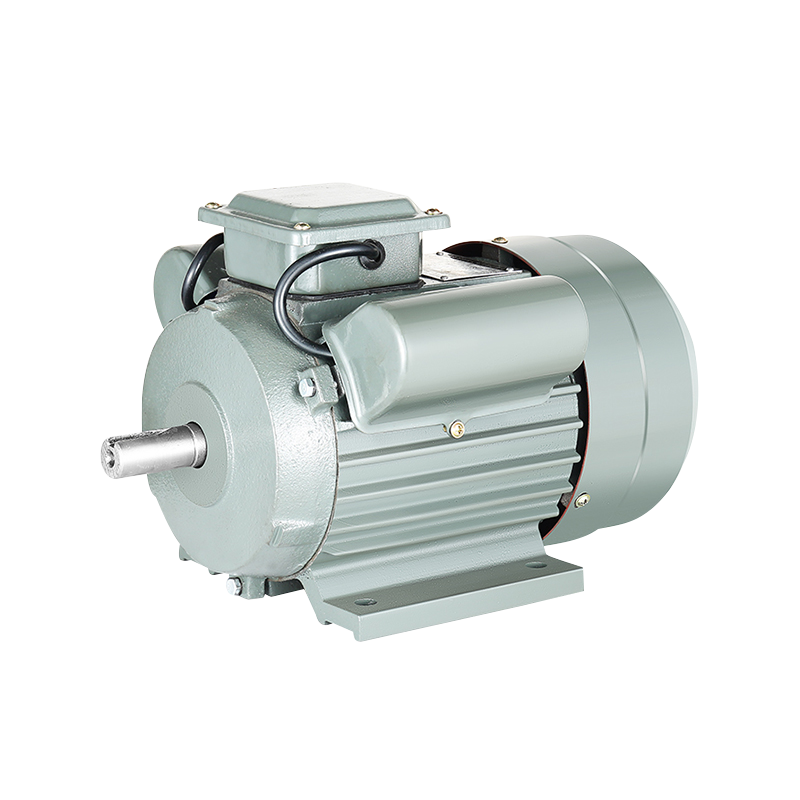
As HVAC equipment, ventilation units, heat pumps, and air-moving systems become more flexible, selecting a Fan Compatible Motor requires more than comparing horsepower and rated speed. Engineers and procurement teams are increasingly looking at airflow performance, static pressure, control compatibility, mounting dimensions, operating temperature, and part-load behavior before approving a replacement motor. Recent HVAC engineering discussions continue to emphasize that voltage, phase, RPM, frame size, shaft dimensions, rotation, bearing type, and operating conditions all need to be considered together.
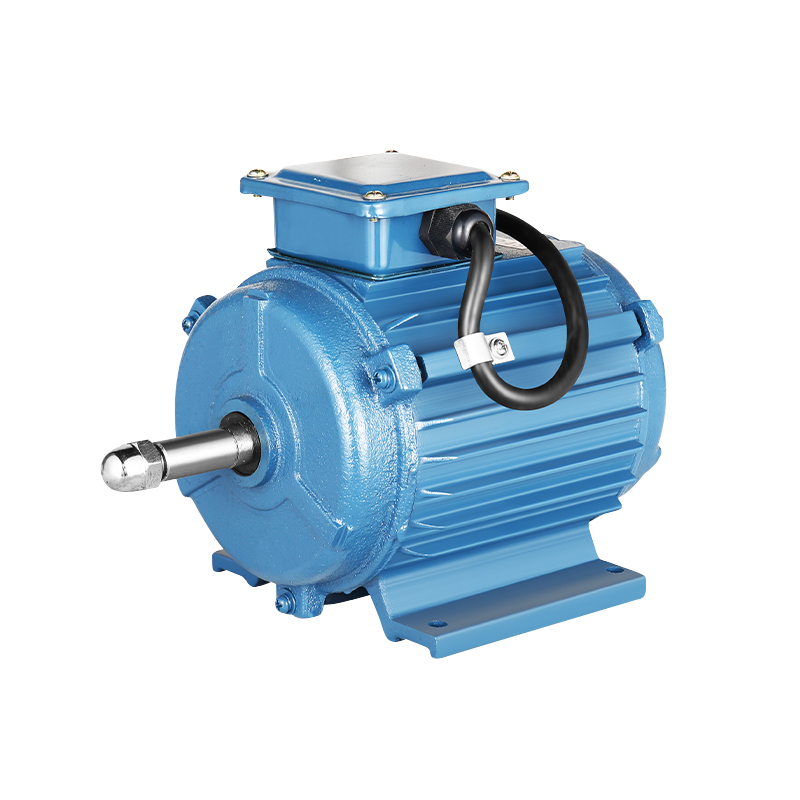
Start With the Fan's Working Conditions
A motor does not operate independently from the fan it drives. The actual load is determined by the impeller, airflow requirement, duct resistance, and system pressure.
For a replacement or OEM project, engineers should identify the intended operating point rather than selecting a motor only from the old nameplate. Important information includes:
- Required airflow and static pressure
- Rated and operating speed
- Voltage and frequency
- Continuous or intermittent duty
- Installation environment
- Fan wheel and shaft configuration
This approach helps prevent a common purchasing problem: a motor that appears suitable on paper but cannot deliver the required airflow once connected to the complete system.
How Static Pressure Changes Motor Requirements
Static pressure is often overlooked during motor selection. As filters become loaded, ducts become restricted, or system resistance changes, the fan may require additional motor capability to maintain the required airflow.
Variable-speed motors can respond to changing operating conditions, but they still need to be correctly matched to the fan and system. Adding a more capable motor does not automatically solve an airflow problem caused by undersized or poorly balanced ductwork.
For equipment manufacturers, evaluating the motor and air-distribution system together is therefore more useful than treating motor power as an isolated specification.
Why RPM Should Not Be Considered Alone
Motor speed directly affects fan performance. Changing the rotational speed can alter airflow, pressure, and power demand, meaning that simply installing a motor with a higher RPM rating may change the operating characteristics of the entire fan assembly.
This is especially important for OEM replacement projects. If the original fan was designed around a specific speed range, a different motor may cause:
- Higher or lower airflow
- Increased system pressure
- Additional acoustic output
- Greater mechanical loading
- Different electrical demand
A properly selected Fan Compatible Motor should therefore provide the required speed under the actual fan load, rather than simply offering a higher nominal RPM.
ECM Motors Bring More Control Options
The growing use of electronically commutated motors is also changing how engineers approach fan motor selection. ECM technology allows variable-speed operation and can adjust motor output according to system demand, making it useful for air handlers and ventilation equipment where airflow requirements are not constant.
However, an ECM replacement should not be treated as a universal plug-in upgrade. Engineers need to verify the control interface, available speed settings, wiring arrangement, and compatibility with the equipment controller.
For retrofit projects, checking the original motor type and control architecture before purchasing can save considerable commissioning time.
Mechanical Compatibility Still Matters
Electrical performance is only one part of a successful replacement. The motor must also fit the equipment without unnecessary modification.
Procurement teams should verify the frame size, shaft diameter, shaft length, mounting arrangement, rotation direction, bearing configuration, and available installation space. Recent HVAC replacement guidance also highlights these mechanical details alongside voltage, phase, RPM, temperature rating, and enclosure requirements.
For OEM customers, custom shaft dimensions or mounting configurations may be necessary when standard motors cannot directly match the original fan assembly.
Look Beyond the Purchase Price
A lower-cost motor may appear attractive during initial sourcing, but the overall value depends on how well it performs within the finished equipment. Poor motor-to-fan matching can advice to additional commissioning work, unstable airflow, premature component stress, or unnecessary energy consumption.
For this reason, manufacturers should evaluate motors based on the complete application rather than one specification. A well-matched solution can simplify production, support consistent equipment performance, and reduce the risk associated with replacement projects.
Building a More Reliable Fan System
Modern HVAC buyers are increasingly looking for motors that balance efficiency, controllability, mechanical compatibility, and dependable operation. The right Fan Compatible Motor should be selected according to the fan curve, system resistance, control method, installation structure, and expected operating conditions. For OEM manufacturers and engineering teams, this application-based approach provides a practical foundation for developing reliable air-moving equipment while avoiding the problems that can arise when motor selection is reduced to power and RPM alone.

-
Feedback


Copyright © Zhejiang Gongpin Electromechanical Technology Co., Ltd. All Rights Reserved.
Small Medium Motors Mechanical Equipment Suppliers
