
 English
 中文简体
中文简体 Author: Admin Date: 2025-10-17
Human-Machine Collaboration: Is Your Two-hand Button Electric Press Keeping Pace with Smart Production Lines?
As factories integrate more robots and automation technologies, the boundary between human workers and machines is becoming increasingly blurred—and safety tools must evolve accordingly. The Two-hand Button Electric Press is no longer just a standalone device; it has become a critical component in collaborative work environments, bridging traditional mechanical safety with the demands of smart manufacturing. Industry social media platforms are witnessing growing discussions about "human-centric automation," where this type of press is emerging as an important solution.
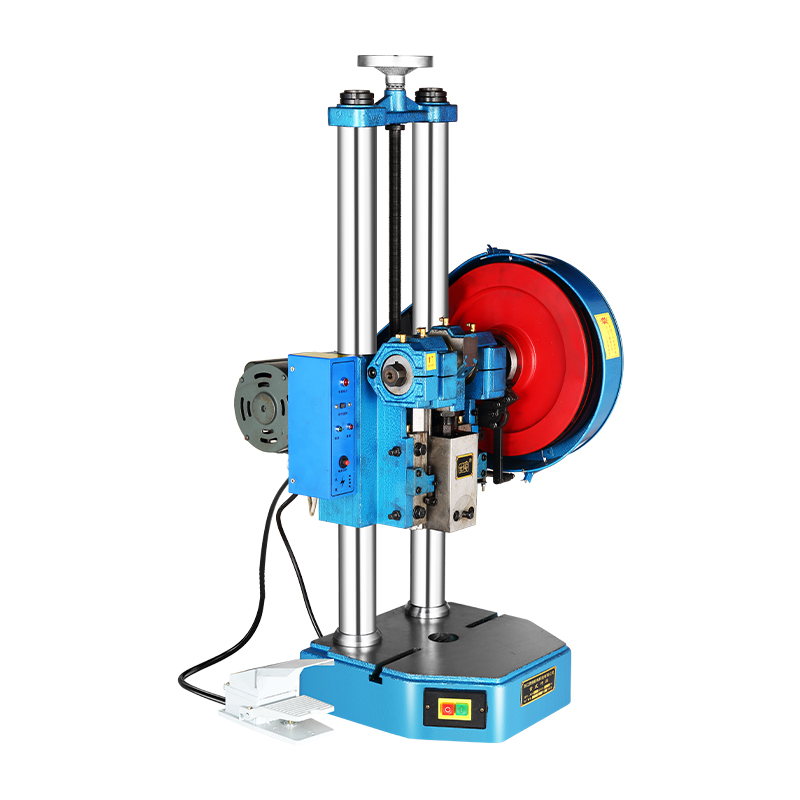
Seamless Integration with Collaborative Robots
Modern Two-hand Button Electric Press models come equipped with safety interlock features that allow them to integrate seamlessly with robotic arms and IoT sensors. This means that if a robot enters the press's working area, the tool will automatically pause—effectively eliminating collision risks. Manufacturing engineers have shared case studies on professional networks demonstrating how this integrated approach reduces production stoppages, as the press doesn't require complete shutdown during robot-assisted operations.
Real-Time Safety Monitoring for Data-Driven Workshops
2025 EHS trends emphasize the importance of real-time monitoring, and advanced Two-hand Button Electric Presses are meeting this need. Some models can send alerts to mobile safety applications when control systems are interfered with or when operations deviate from established safety procedures. This functionality aligns with online discussions about "predictive safety," where professionals are shifting from reactive incident management to proactive risk prevention.
Why Traditional Tools Struggle in Smart Environments
Conventional presses lack the connectivity required for modern automated workflows, a limitation frequently highlighted on industrial forums. Foot-operated or single-hand presses cannot interface with robotic safety systems, creating potential safety gaps in collaborative production lines. The Two-hand Button Electric Press addresses this challenge by serving as a centralized safety node, ensuring smooth and secure cooperation between human operators and machines without sacrificing production efficiency.
Enhanced Ergonomics for Reduced Operator Fatigue
Beyond connectivity, these presses incorporate ergonomic designs that minimize physical strain during extended use. Adjustable button positions and optimized operating forces help prevent work-related injuries, while visual and tactile feedback systems improve operation accuracy. These features are particularly valuable in high-cycle production environments where operator comfort directly impacts productivity and safety.
Future-Proof Design for Evolving Standards
As industrial safety standards continue to evolve, Two-hand Button Electric Presses are designed with upgradability in mind. Modular components and software-updatable control systems allow these tools to adapt to new regulations and technological requirements. This forward-looking approach helps manufacturers protect their investments while maintaining compliance with the latest industry norms.
Practical Benefits for Daily Operations
In addition to safety advantages, these presses offer tangible operational benefits. Faster setup times, consistent performance, and reduced training requirements contribute to overall efficiency gains. The intuitive operation also minimizes the learning curve for new employees, supporting faster workforce integration and flexibility.
The Two-hand Button Electric Press represents a significant step forward in manufacturing safety technology. By combining traditional safety principles with smart connectivity and ergonomic design, it effectively supports human-machine collaboration in modern industrial settings. As automation continues to transform production floors, investing in such adaptable and intelligent safety solutions will be crucial for manufacturers seeking to balance efficiency with worker protection.

-
Feedback


Copyright © Zhejiang Gongpin Electromechanical Technology Co., Ltd. All Rights Reserved.
Small Medium Motors Mechanical Equipment Suppliers
