
 English
 中文简体
中文简体 Author: Admin Date: 2026-10-09
What Happens When an Asynchronous Motor Runs at Different Speeds?
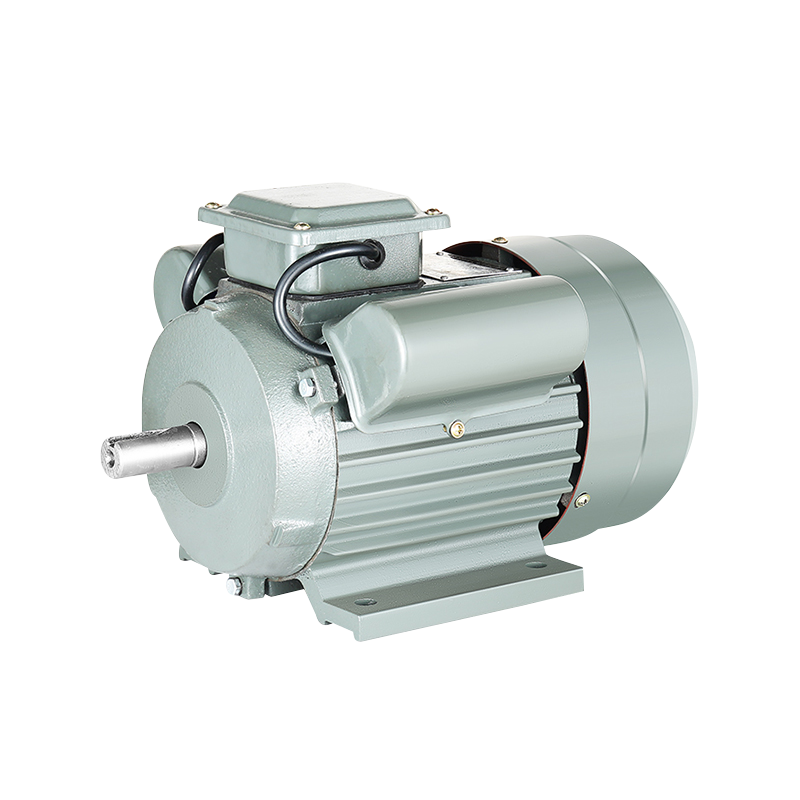
Variable-speed operation gives industrial equipment more flexibility, but changing motor speed also changes the way the motor behaves under load. This is an important consideration for pumps, fans, conveyors, compressors, mixers, and other machinery that does not always need to run at one fixed speed. When selecting a Three-Phase Frequency Controlled Asynchronous Motor, engineers need to consider what happens across the operating range rather than focusing only on the motor's rated speed.
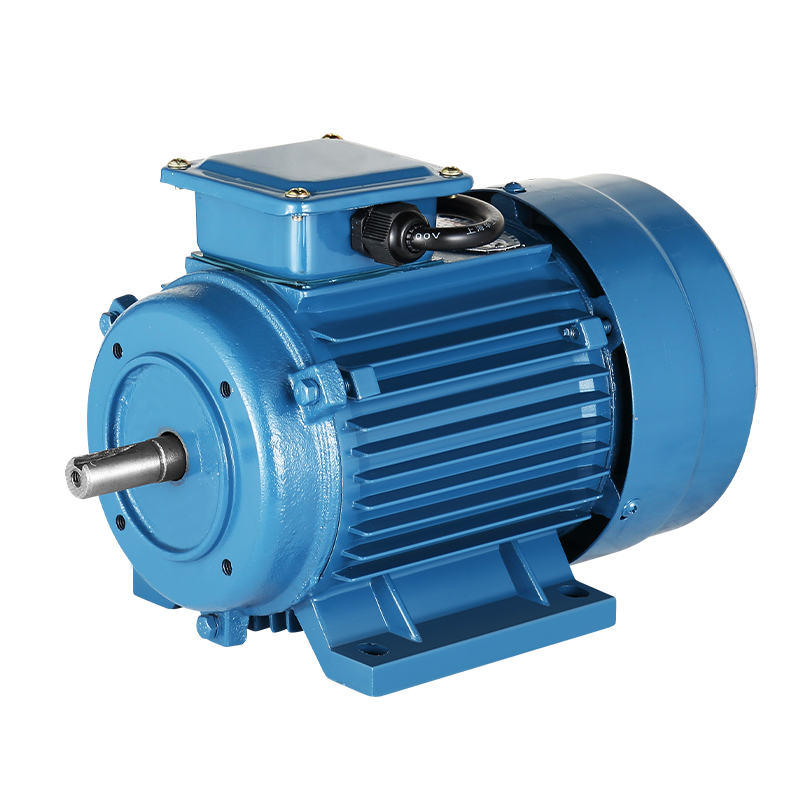
Low-Speed Operation Changes Cooling Conditions
One of the issues to consider is heat dissipation. A conventional motor's cooling arrangement may depend on a fan connected to the motor shaft. As rotational speed decreases, the cooling effect can also change.
This does not mean that every low-speed application requires additional cooling. The actual requirement depends on motor design, load, operating duration, ambient temperature, and the required torque. However, these factors should be reviewed before the motor is specified.
For manufacturers, understanding the expected speed range allows the cooling arrangement to be assessed together with the motor's thermal operating conditions.
Constant Torque and Variable Torque Are Different
The load characteristics of the driven machine have a direct influence on motor selection. A conveyor may require relatively consistent torque across part of its speed range, while fans and pumps often have different torque behavior as speed changes.
This distinction matters because the motor should be capable of handling the actual load rather than simply reaching the requested speed.
Engineers should provide:
- Normal operating speed
- Required torque
- Continuous operating load
- Starting or acceleration requirements
A clear load description gives the manufacturer a much better basis for evaluating the motor.
The Drive Settings Cannot Be Ignored
The motor and frequency converter work as a system. Frequency, voltage, current limits, acceleration, deceleration, and control mode can all influence motor operation.
IEC 60034-2-3:2024 provides methods for determining losses and efficiency of converter-fed AC motors at different torque and speed points. This reflects an important engineering principle: a variable-speed motor should not be evaluated only at one fixed operating point.
For procurement teams, the motor specification should therefore be reviewed together with the intended drive rather than treating the two components as completely independent products.
Speed Range Should Match the Process
A wide adjustable speed range may sound attractive, but the usable range depends on the motor design and application. Operating far below or above the normal speed can introduce additional thermal, mechanical, or control considerations.
This allows the motor configuration to be evaluated for the working range instead of simply selecting a motor with a nominal speed close to the process requirement.
Starting and Short-Term Loads Need Separate Attention
Some machines require additional torque during startup or acceleration even though their normal running load is moderate. If this condition is overlooked, the motor and drive may be selected too closely around the continuous operating point.
A practical specification should distinguish between normal continuous load and temporary load requirements. The drive's current and torque capability should also be considered when checking the complete system.
Mechanical Conditions Still Matter
Electrical control does not remove the mechanical requirements of the driven equipment. Bearings, couplings, shafts, belts, gearboxes, and other connected components may have their own permissible operating ranges.
Changing motor speed can therefore affect the entire transmission system. Before finalizing a Three-Phase Frequency Controlled Asynchronous Motor, engineers should confirm that the connected equipment can operate throughout the proposed speed range.
Give the Manufacturer the Complete Operating Picture
From a manufacturing perspective, the useful motor enquiry is not simply "What motor do you recommend?" A more effective request describes how the equipment will actually operate.
A technical enquiry can include:
- Motor power and supply voltage
- Required frequency range
- Load or torque characteristics
- Duty cycle
- Starting conditions
- Ambient temperature
- Cooling requirements
- Frequency converter information
- Mounting and mechanical requirements
With this information, the manufacturer can evaluate electrical, thermal, and mechanical requirements together.
Better Speed Control Starts With Better Specification
A Three-Phase Frequency Controlled Asynchronous Motor is effective when its design corresponds to the real operating conditions of the machine. Low-speed cooling, torque behavior, drive settings, speed range, starting load, and mechanical compatibility all deserve attention before production begins.
For overseas buyers, providing the manufacturer with the complete operating profile can make technical communication more precise and reduce unnecessary specification changes. Instead of selecting a motor from rated power alone, engineers can build the specification around the way the machine will actually run.

-
Feedback


Copyright © Zhejiang Gongpin Electromechanical Technology Co., Ltd. All Rights Reserved.
Small Medium Motors Mechanical Equipment Suppliers
