
 English
 中文简体
中文简体 Author: Admin Date: 2026-10-02
Why Do Variable Speed Motors Overheat at Low Frequency?
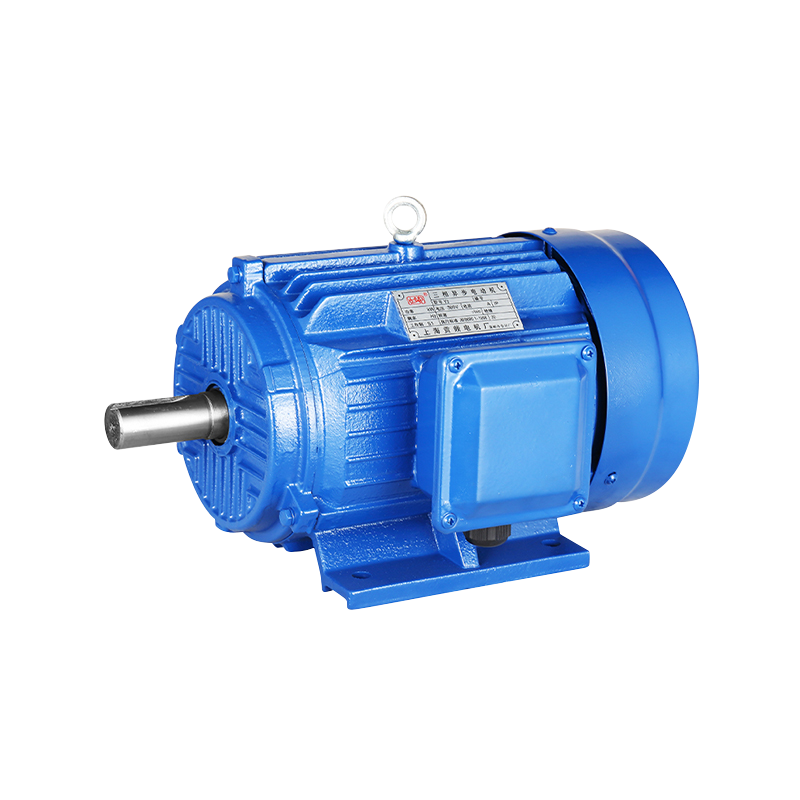
Plant engineers and procurement teams working with fans, pumps, compressors, and conveyors keep raising the same concern: why does a motor that runs perfectly on a direct line start showing heat, noise, or bearing wear once it is placed on a drive? As more facilities add speed control to cut energy use, buyers are learning that the motor and the drive must be chosen as a pair. For anyone sourcing a three-phase frequency controlled asynchronous motor, understanding how it behaves across its speed range is the ideal way to avoid unplanned downtime.
What Buyers Are Searching for Right Now
Recent activity on engineering forums and industrial sourcing platforms shows growing interest in practical questions rather than catalog specifications. Buyers want to know how to size a motor for a variable load, how low the speed can go before cooling becomes a problem, and which insulation system suits drive operation. This shift favors suppliers who explain application behavior clearly instead of listing power ratings alone.
Why Cooling Becomes the Main Concern at Low Speed
A standard motor relies on a shaft-mounted fan, and that fan slows down along with the rotor. At reduced speed, airflow drops while the heat generated inside the windings may not fall at the same rate, particularly under constant-torque loads. This is why motors designed for drive duty often include an independent cooling fan or an optimized frame design. Buyers should ask for the permitted speed range and load curve, not just the nameplate rating.
Problems We Hear About Most Often
As a manufacturer, our technical team reviews enquiries from many industries, and a few issues appear repeatedly:
- Winding insulation damage caused by voltage spikes from fast switching drives
- Bearing failures linked to shaft currents circulating through the motor
- Unexpected temperature rise when running at low speed under full load
- Vibration and resonance at particular frequencies within the operating range
- Mismatched motor and drive parameters that cause unstable control
Most of these can be addressed at the specification stage, which is far cheaper than a repair after installation.
Protecting Windings and Bearings
Modern drives switch at high frequency, and the resulting voltage stress can shorten the life of ordinary insulation. Motors intended for drive operation typically use reinforced insulation and, where needed, insulated or ceramic-coated bearings to limit shaft current damage. Engineers should confirm these features with the supplier and check whether output filters or grounding measures are recommended for the installation.
Matching the Motor to the Load
Fans and pumps follow a variable-torque pattern, while conveyors, mixers, and extruders often demand constant torque across the speed range. Each case affects how the motor should be rated. Sharing the load type, duty cycle, ambient temperature, and altitude with the manufacturer allows a more accurate recommendation and reduces the risk of oversizing, which wastes energy, or undersizing, which shortens service life.
Efficiency and Long-Term Operating Cost
Energy savings are the main reason lots of plants adopt speed control, yet the results depend on the motor's efficiency class and how well it suits the actual duty. Buyers increasingly compare running cost over several years rather than purchase price alone, and they ask for test reports and efficiency documentation to support internal approval.
Documentation and Support Before You Order
A reliable supplier provides a full data sheet, dimensional drawings, and clear guidance on drive compatibility. Local technical support and access to spare parts also matter when a motor supports continuous production.
If your team is planning a speed control upgrade, a well-matched three-phase frequency controlled asynchronous motor can improve process control while keeping heat and maintenance under control. Our engineers are ready to review your load profile and recommend a suitable configuration.

-
Feedback


Copyright © Zhejiang Gongpin Electromechanical Technology Co., Ltd. All Rights Reserved.
Small Medium Motors Mechanical Equipment Suppliers
